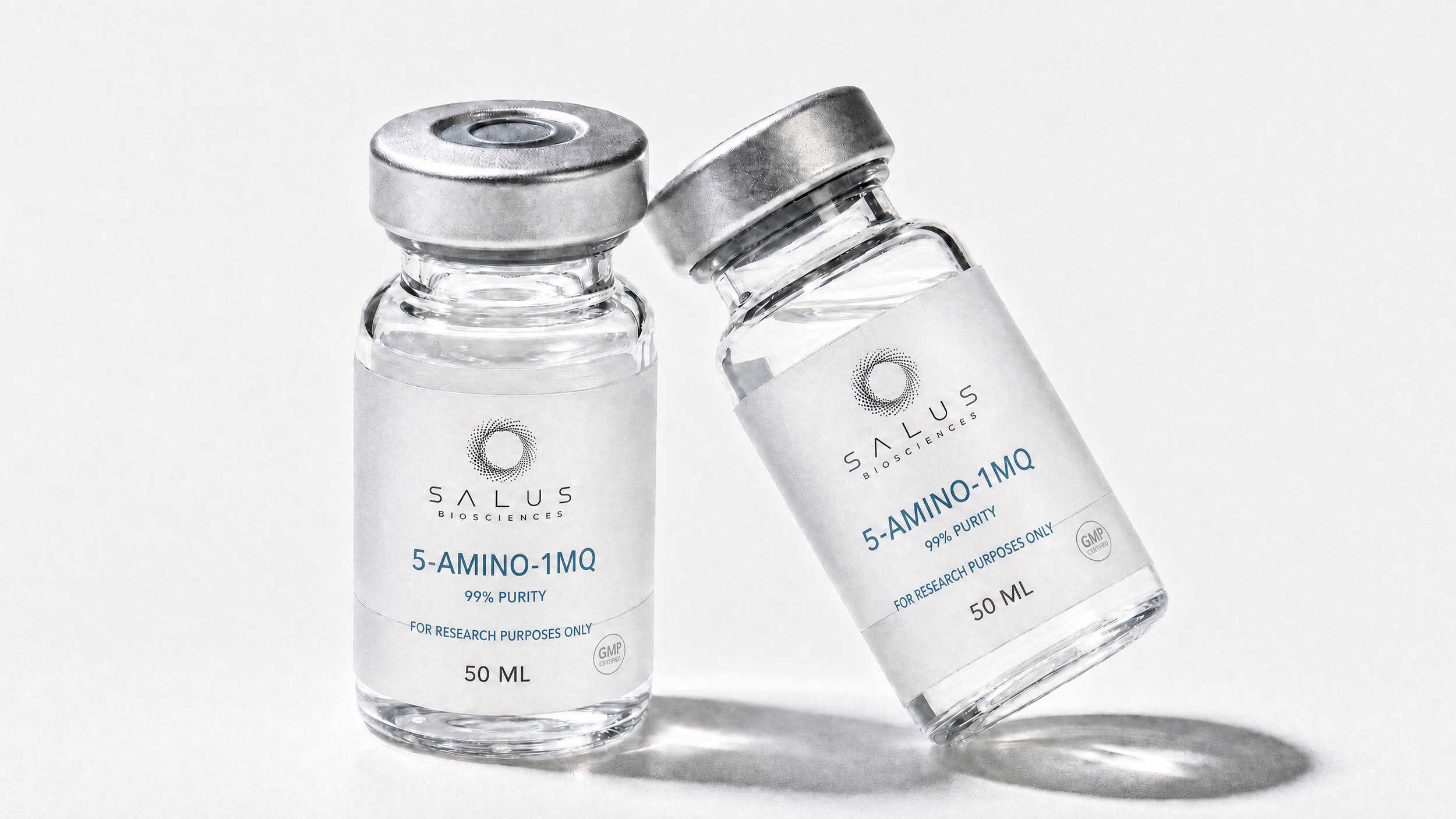
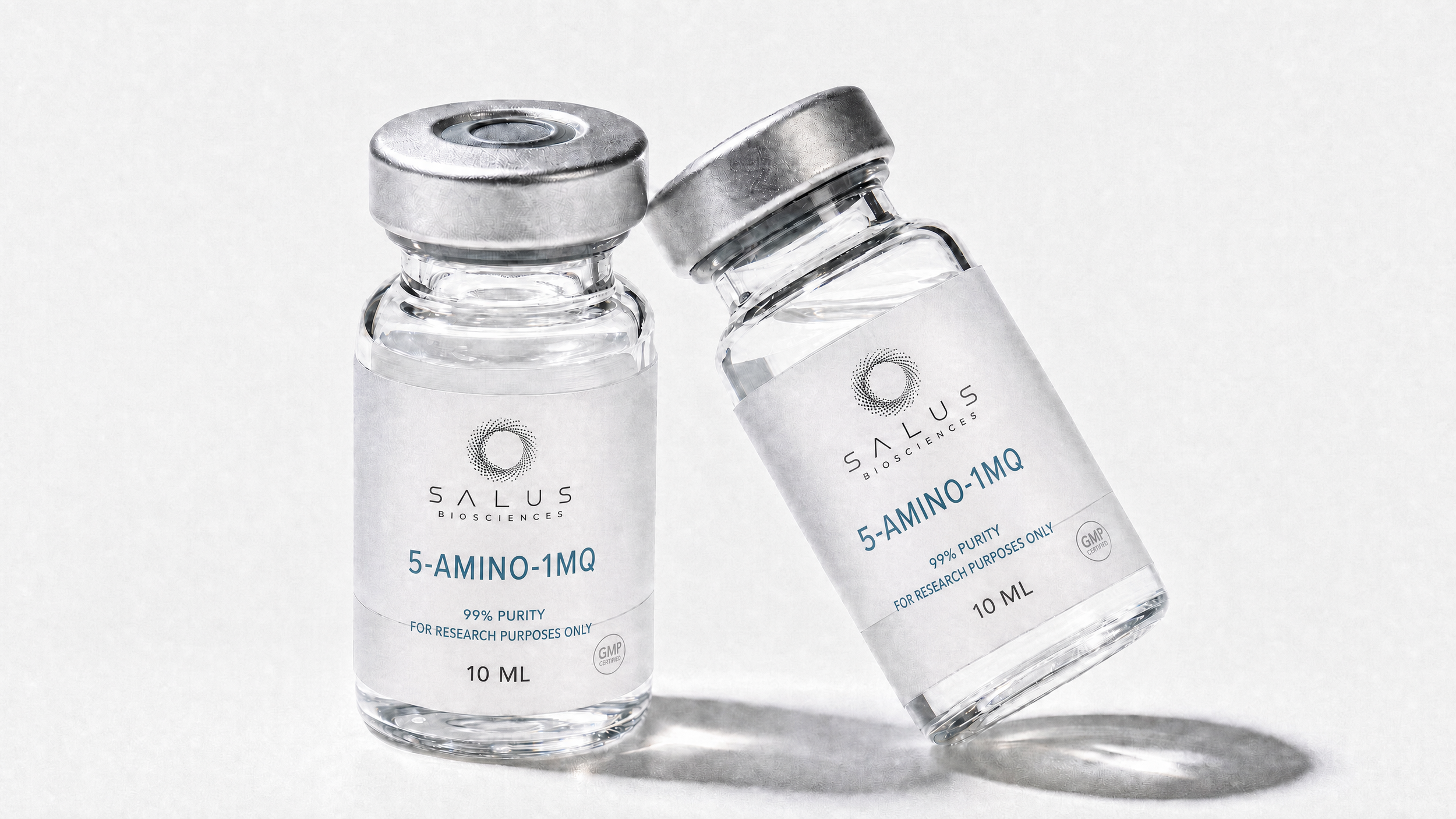
5-Amino-1MQ dosage protocols center on this selective, cell-permeable NNMT (Nicotinamide N-methyltransferase) inhibitor studied for its potential to support fat metabolism, preserve lean muscle mass, and elevate intracellular NAD+ levels. By blocking NNMT, 5-Amino-1MQ may help restore cellular energy balance and activate SIRT1 pathways associated with metabolic efficiency.
This product is intended strictly for laboratory research purposes only. It is not approved for human or animal use and must not be used in food, supplements, pharmaceuticals, or cosmetic applications.
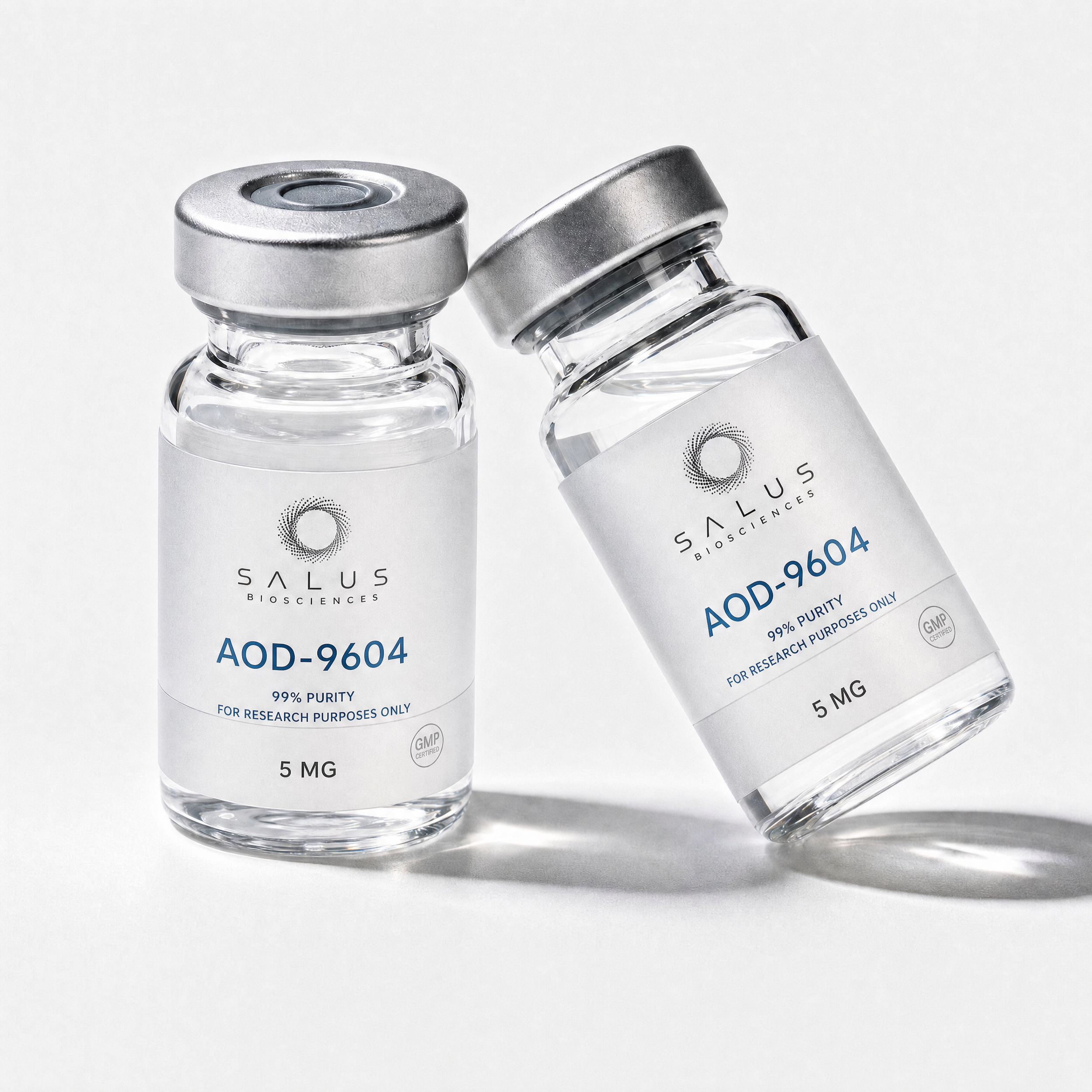
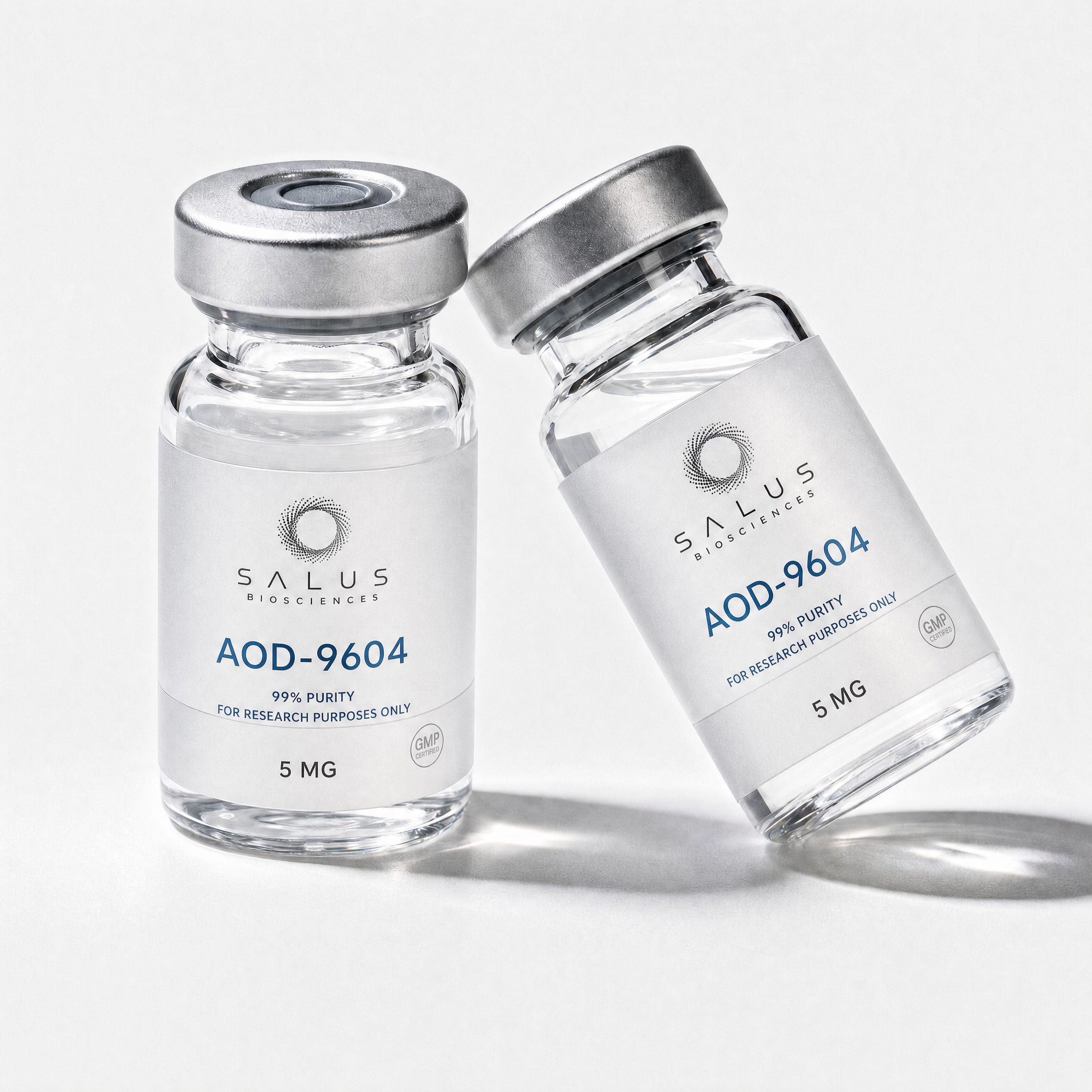
AOD-9604 dosage protocols leverage this synthetic 16 amino acid fragment (Tyr-hGH 177-191) to support lipolysis (fat breakdown) and inhibit lipogenesis (fat storage) without elevating IGF-1 levels or causing insulin resistance.
This product is intended strictly for laboratory research purposes only. It is not approved for human or animal use and must not be used in food, supplements, pharmaceuticals, or cosmetic applications.
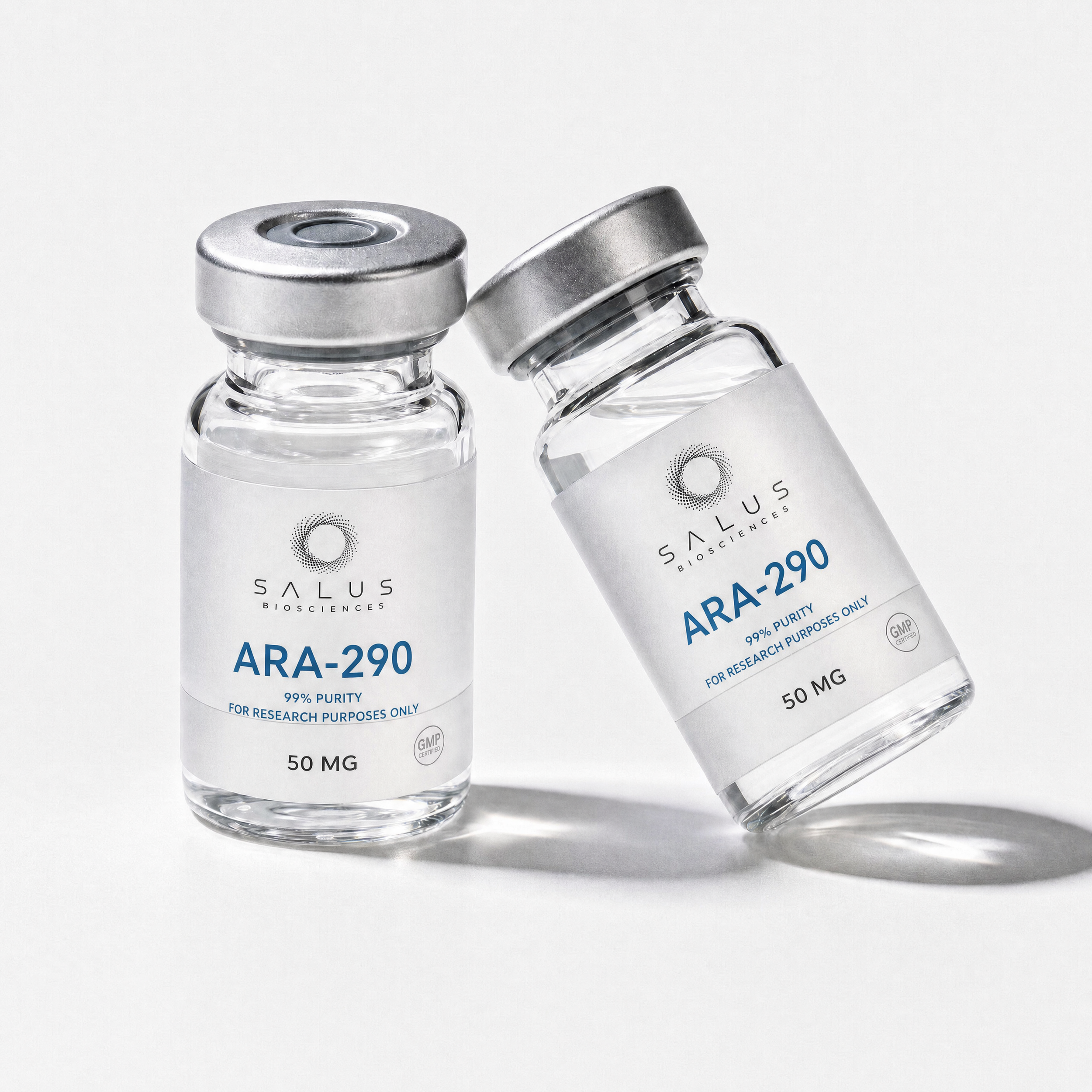
ARA-290 (cibinetide) is an 11 amino acid non-erythropoietic peptide derived from erythropoietin's helix-B domain. It selectively activates the innate repair receptor (IRR), an EPOR/CD131 heterodimer, to promote anti-inflammatory and tissue-protective effects without stimulating red blood cell production. Clinical trials have demonstrated benefits for diabetic neuropathy and sarcoidosis-related small-fiber neuropathy.
This product is intended strictly for laboratory research purposes only. It is not approved for human or animal use and must not be used in food, supplements, pharmaceuticals, or cosmetic applications.
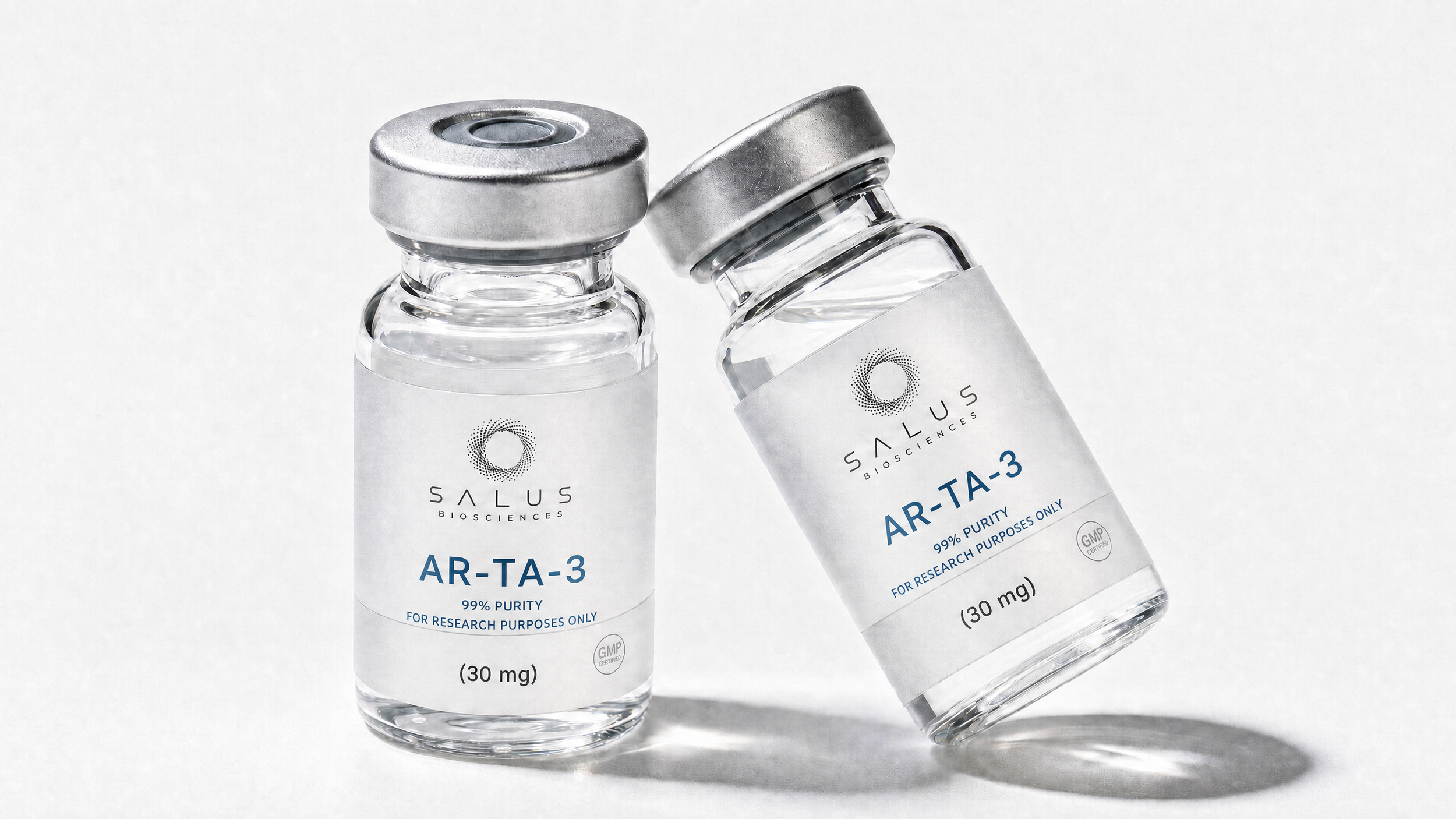
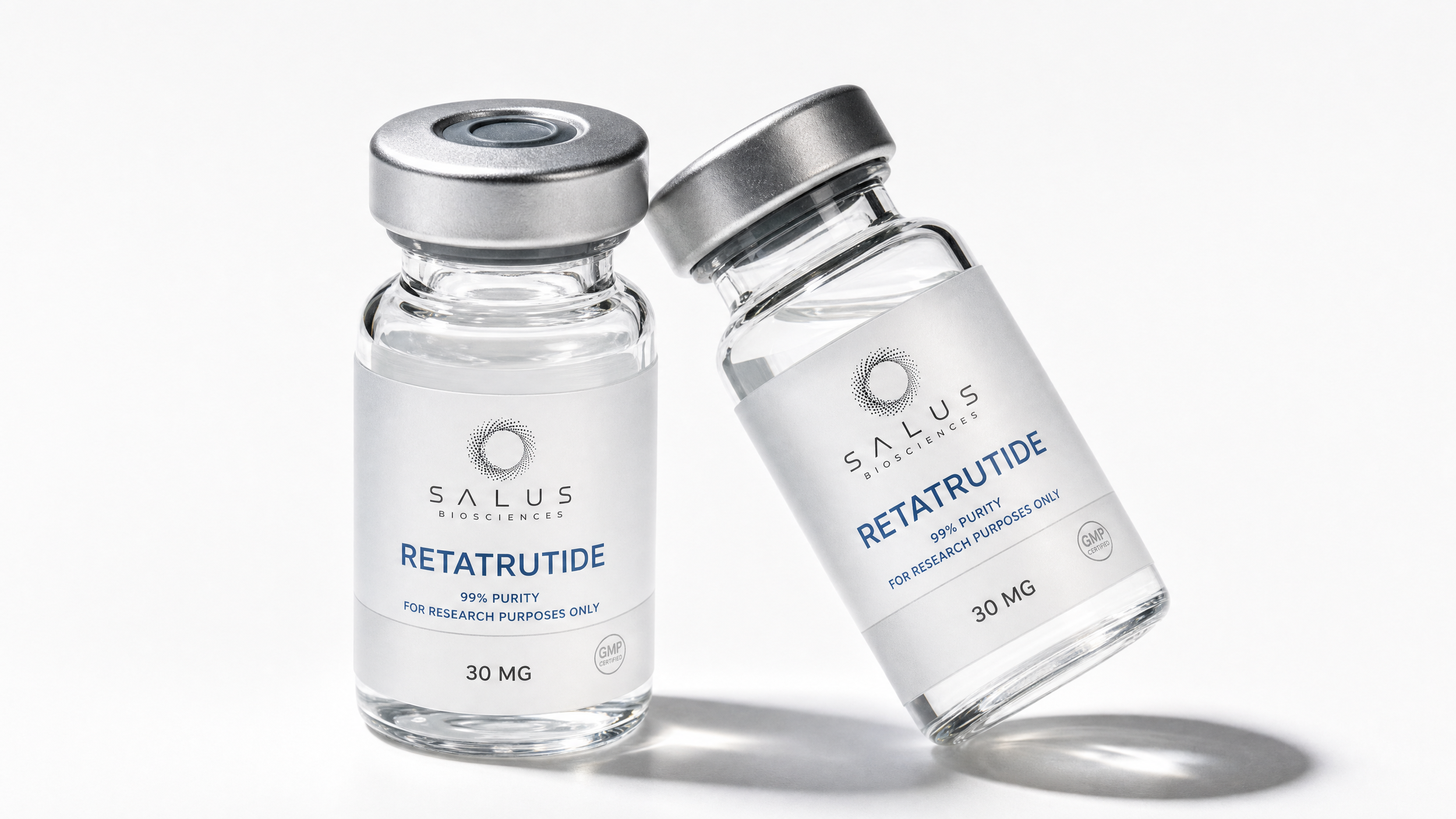
(LY3437943) is a novel triple-agonist peptide targeting GLP-1, GIP, and glucagon receptors simultaneously, engineered with a fatty-acid moiety for an approximately 6 day half-life and once-weekly dosing. Phase 2 trials demonstrated up to 24% body weight reduction at 48 weeks and HbA1c reductions of 1.3 to 2.0% in type 2 diabetes patients. Not FDA-approved; available for research use only.
This product is intended strictly for laboratory research purposes only. It is not approved for human or animal use and must not be used in food, supplements, pharmaceuticals, or cosmetic applications.
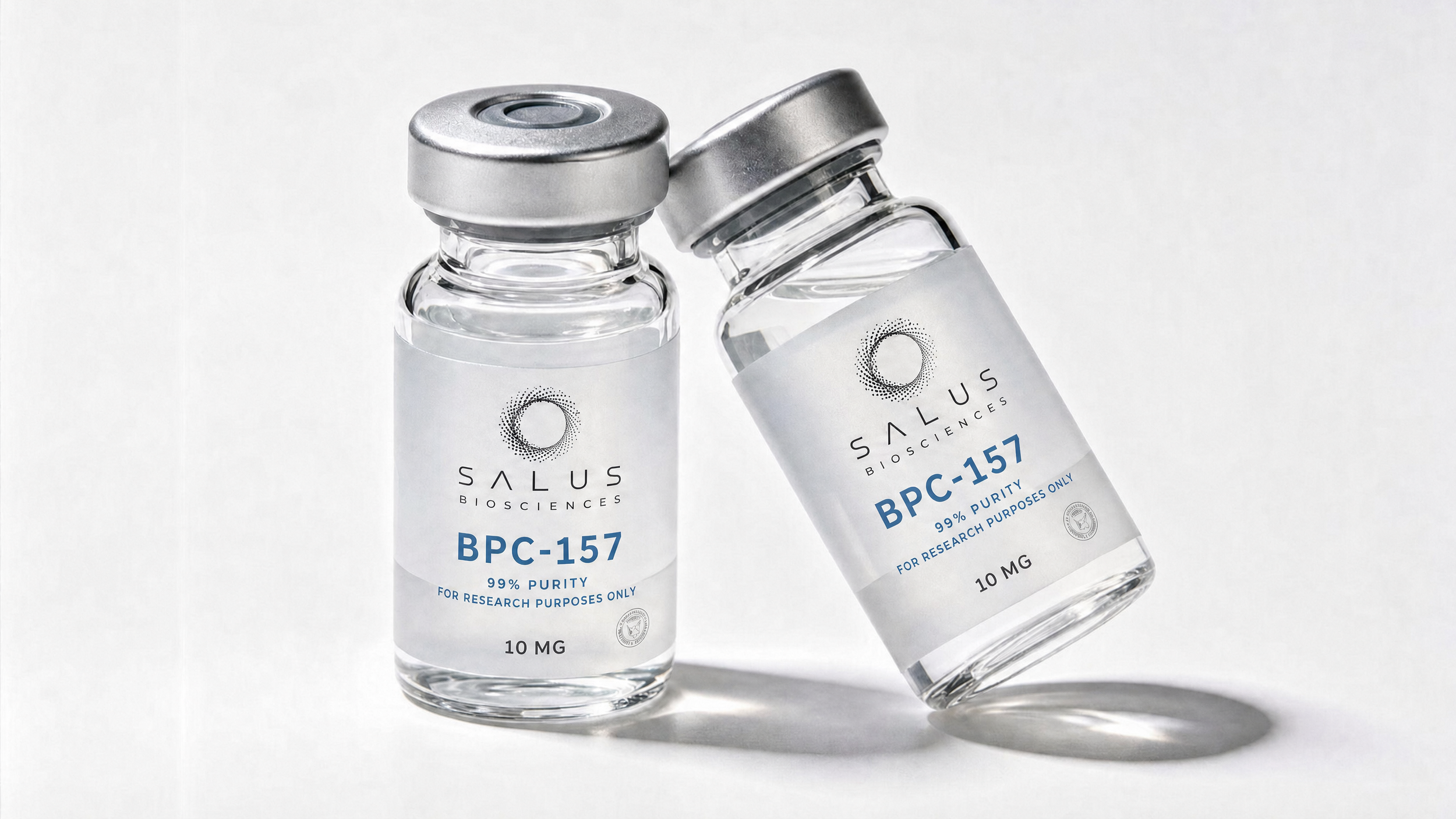
BPC-157 (Body Protection Compound-157) is a synthetic 15 amino acid peptide derived from a gastric protein sequence studied for tissue-healing and cytoprotective properties. Preclinical models demonstrate accelerated wound repair and anti-inflammatory activity, though human clinical data remain limited to early-phase safety trials and small case reports.
Intended Use
This product is intended strictly for laboratory research purposes only. It is not approved for human or animal use and must not be used in food, supplements, pharmaceuticals, or cosmetic applications.
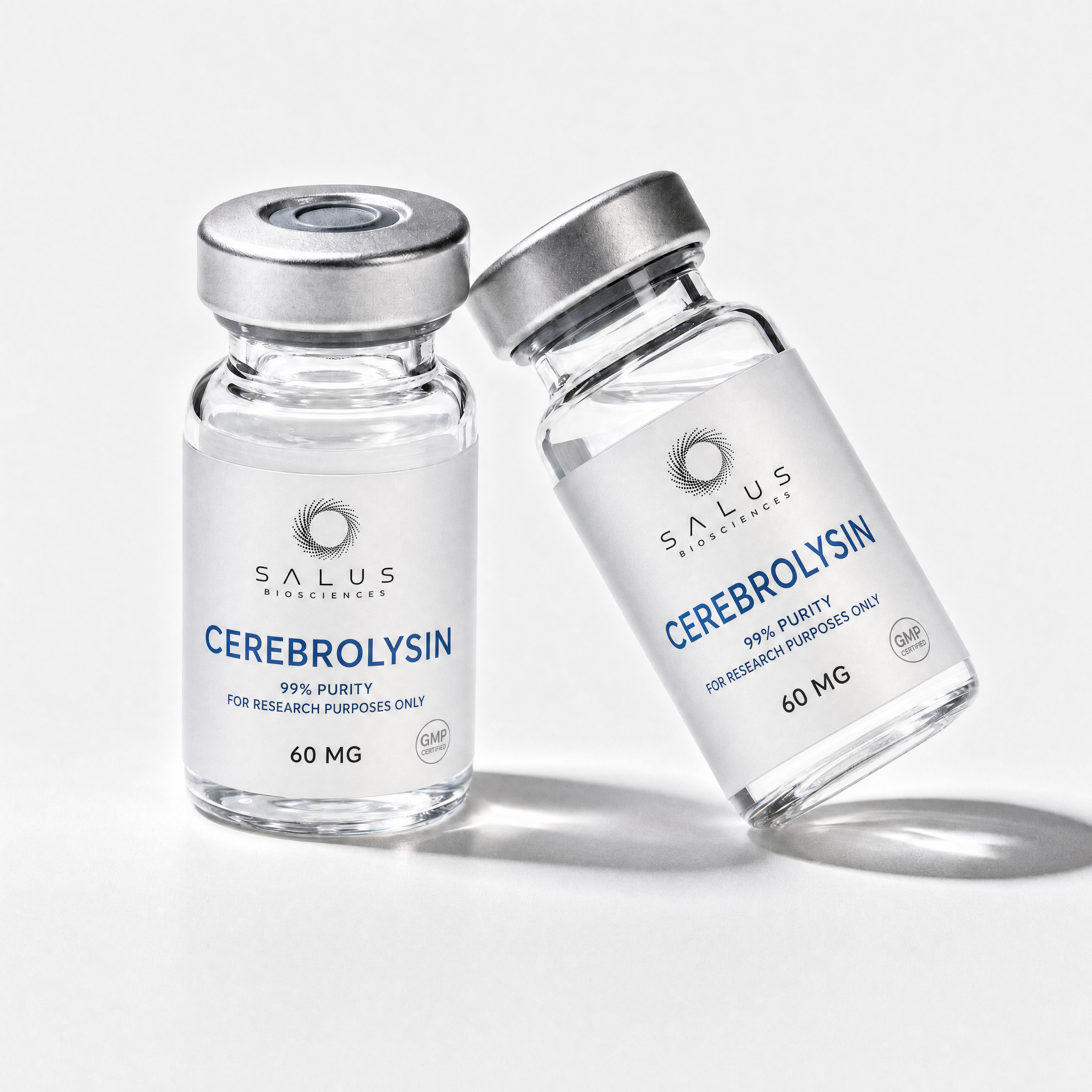
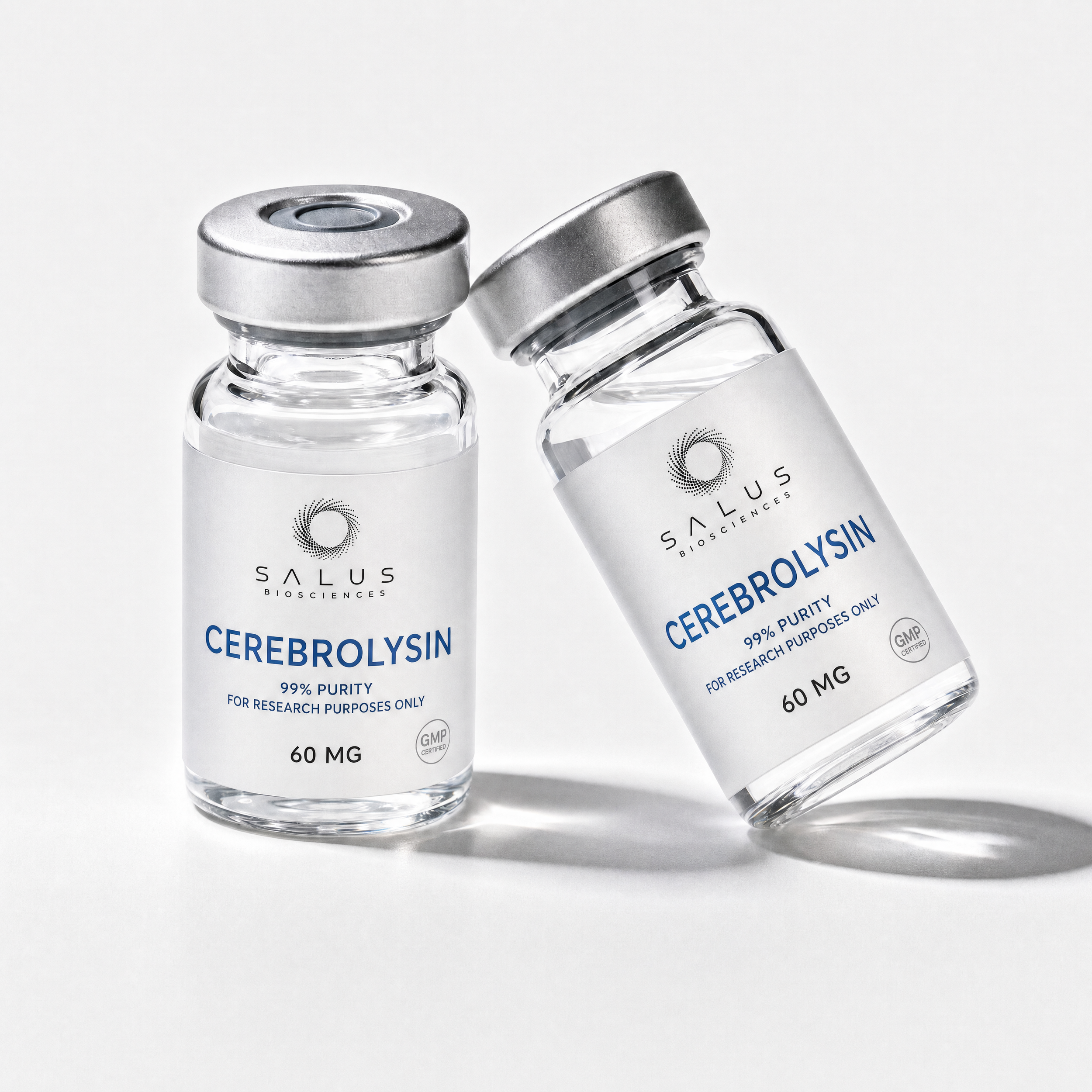
Cerebrolysin is a purified porcine brain-derived peptide preparation containing low-molecular-weight neuropeptides and free amino acids. It mimics neurotrophic factors like BDNF, NGF, and GDNF. It is clinically approved in OVER 15 European and Asian countries for stroke, traumatic brain injury (TBI), and dementia improvement.
This product is intended strictly for laboratory research purposes only. It is not approved for human or animal use and must not be used in food, supplements, pharmaceuticals, or cosmetic applications.
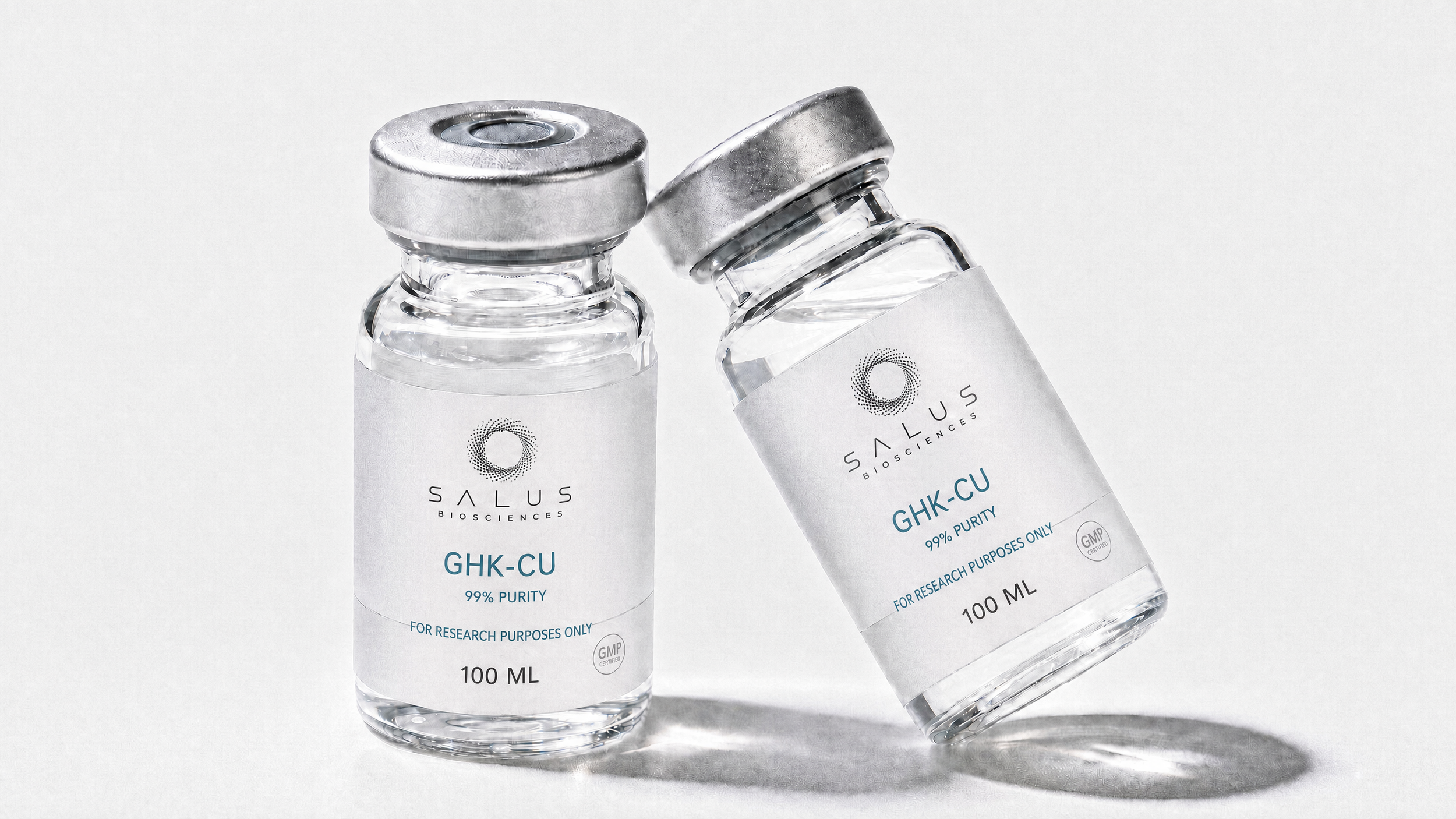
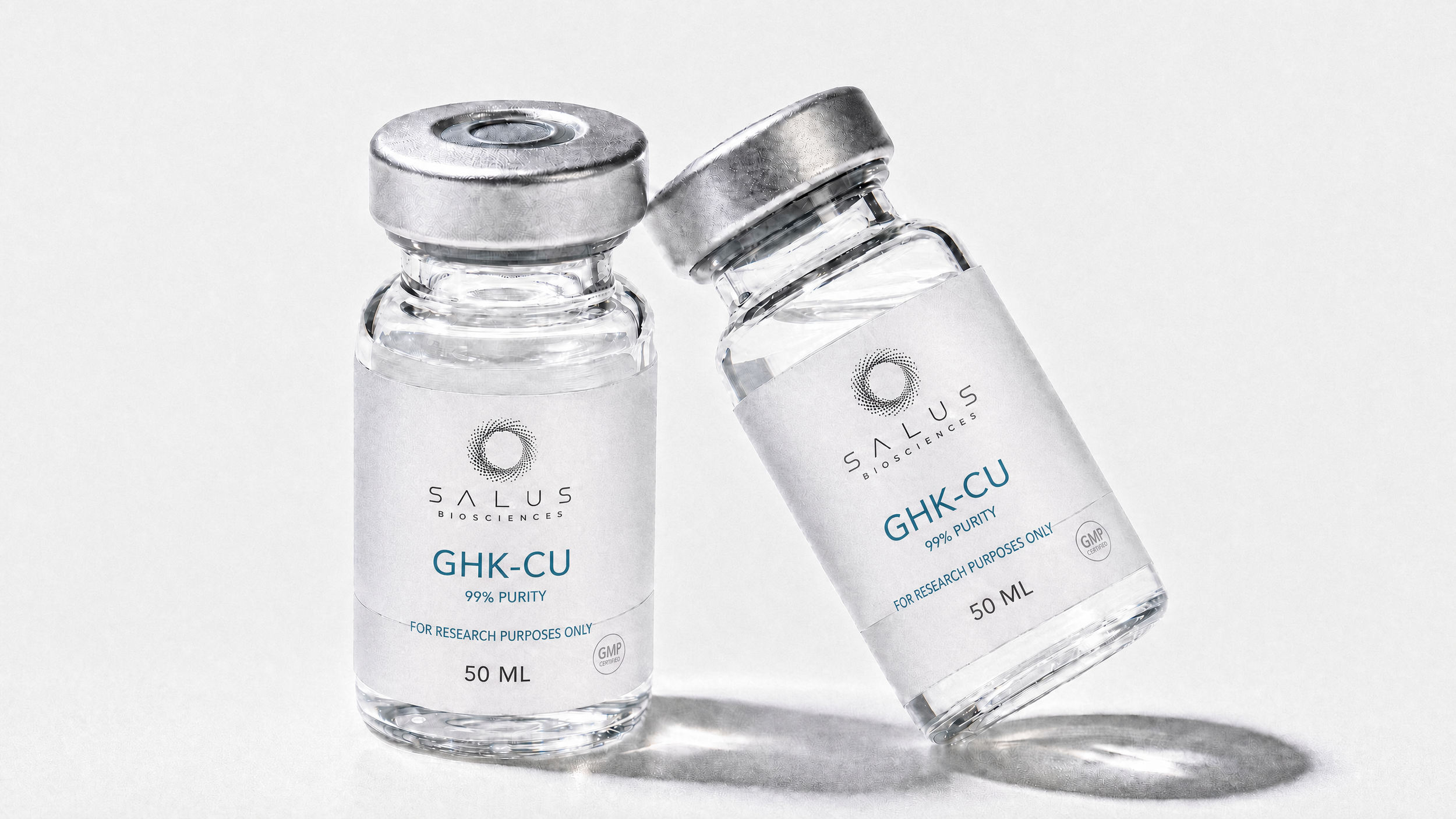
GHK-Cu dosage protocols utilize this naturally occurring copper-binding tripeptide (glycyl-L-histidyl-L-lysine) to support skin rejuvenation, wound healing, and tissue repair. GHK-Cu stimulates collagen and elastin production, promotes angiogenesis, and delivers powerful antioxidant and anti-inflammatory benefits.
Intended Use
This product is intended strictly for laboratory research purposes only. It is not approved for human or animal use and must not be used in food, supplements, pharmaceuticals, or cosmetic applications.
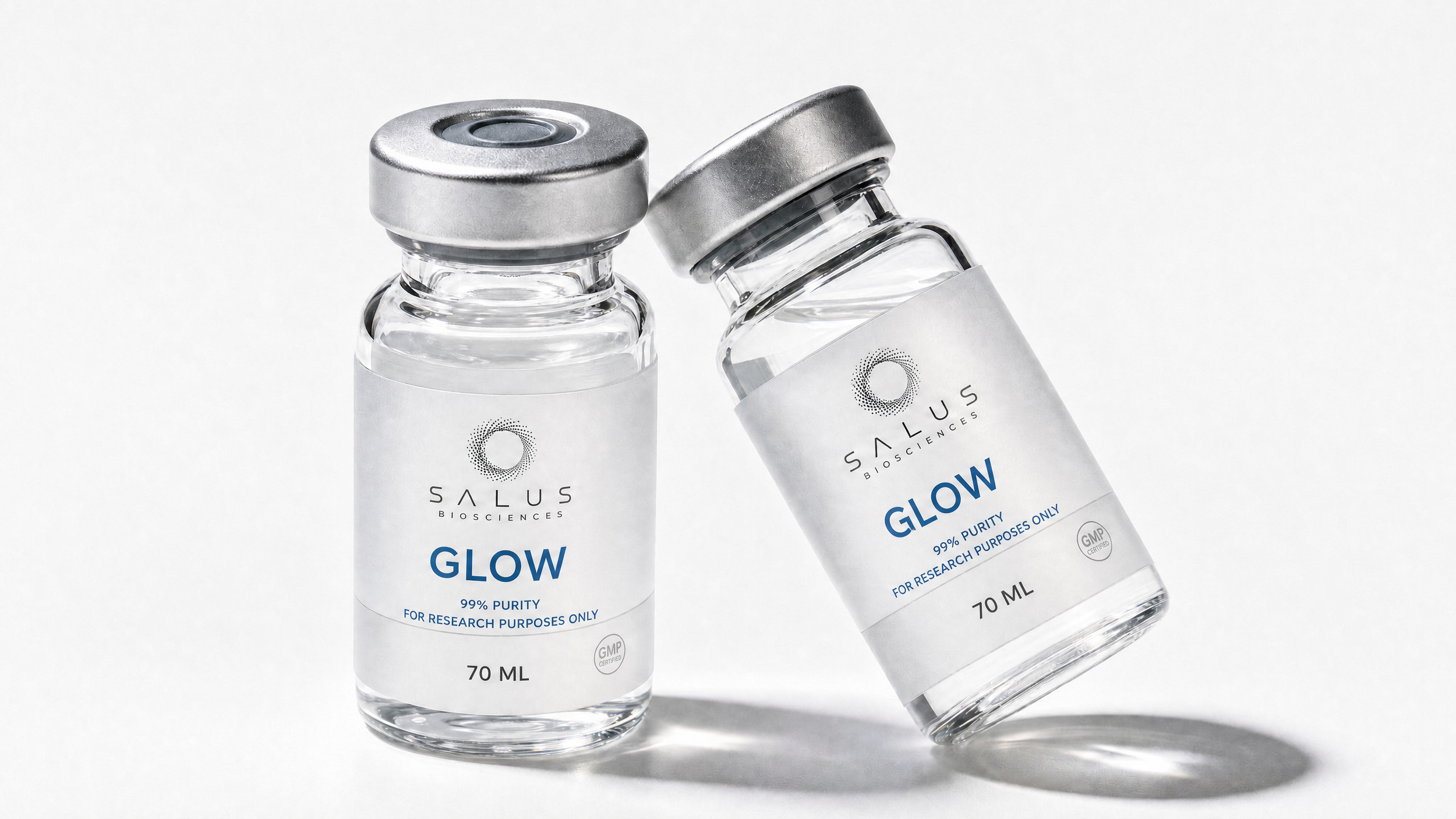
Support comprehensive tissue healing through synergistic peptide mechanisms: The GLOW blend combines GHK-Cu (collagen synthesis, antioxidant, anti-inflammatory), BPC-157 (tissue repair, microcirculation, anti-inflammatory), and TB-500 (cell migration, angiogenesis, scar reduction) for synergistic regenerative research.
This product is intended strictly for laboratory research purposes only. It is not approved for human or animal use and must not be used in food, supplements, pharmaceuticals, or cosmetic applications.
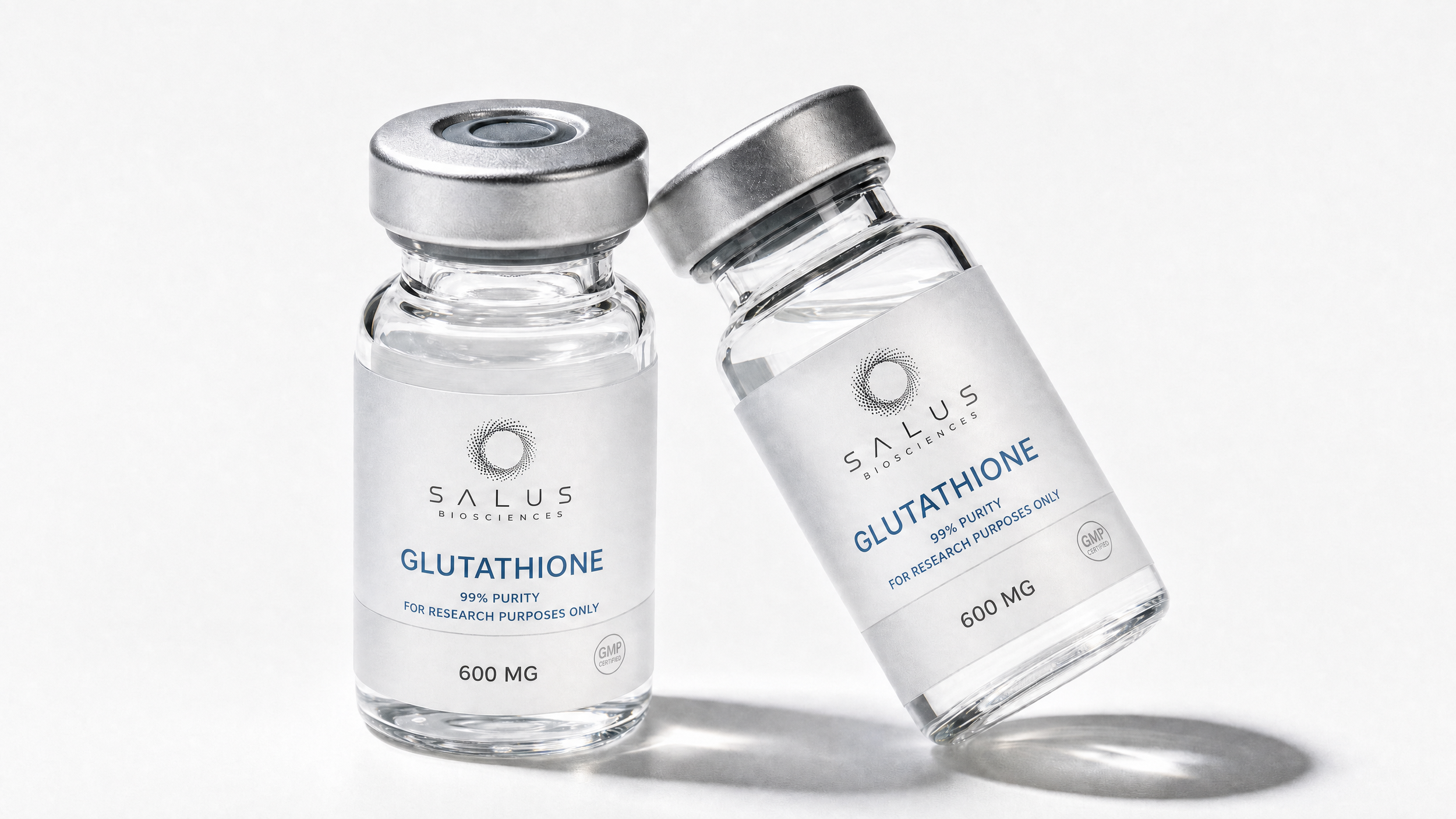
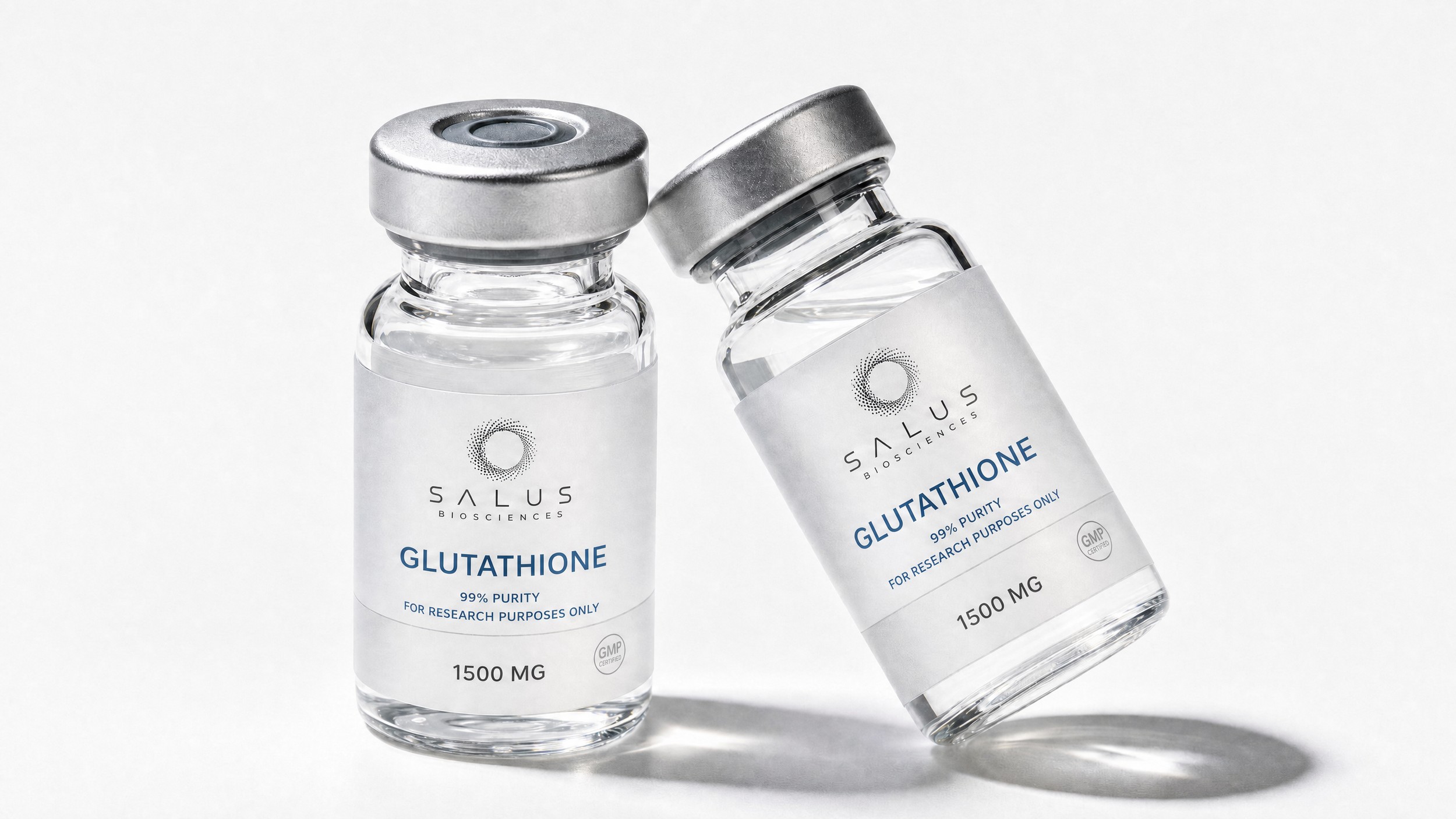
Glutathione (g-L-glutamyl-L-cysteinyl-glycine) is the master antioxidant tripeptide studied for cellular detoxification, oxidative stress reduction, and redox balance. As the most abundant intracellular thiol, glutathione plays a central role in neutralizing free radicals, supporting liver function, enhancing immune cell activity, and protecting against environmental toxins.
Intended Use
This product is intended strictly for laboratory research purposes only. It is not approved for human or animal use and must not be used in food, supplements, pharmaceuticals, or cosmetic applications.
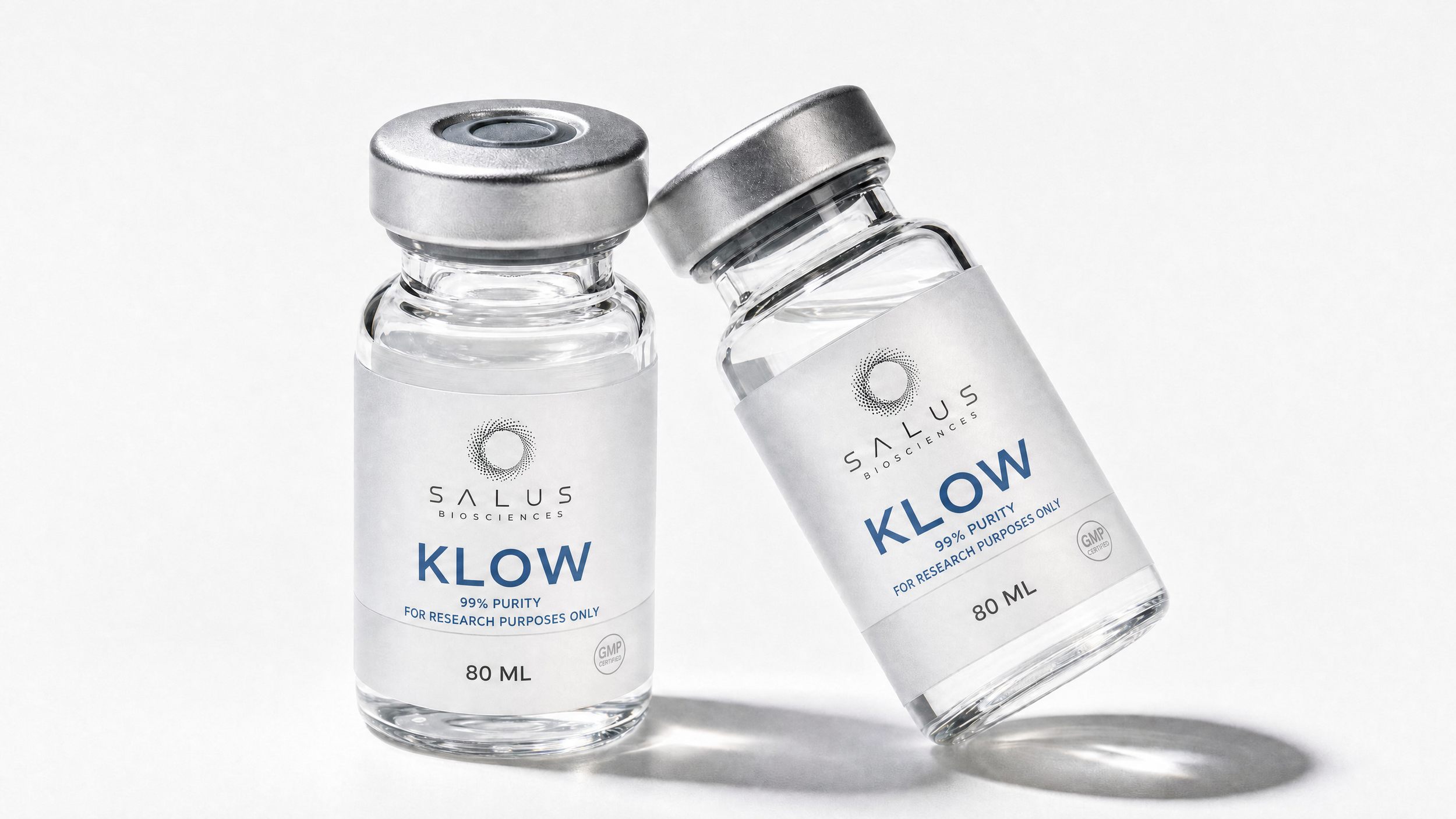
KLOW is a multi-peptide blend combining TB-500 (10 mg), BPC-157 (10 mg), KPV (10 mg), and GHK-Cu (50 mg) for a total of 80 mg per vial. TB-500 promotes wound healing, angiogenesis, and tissue repair; BPC-157 supports tendon, ligament, and gut repair; KPV adds NF-kB-mediated anti-inflammatory support; GHK-Cu drives collagen synthesis and skin remodeling.
Intended Use
This product is intended strictly for laboratory research purposes only. It is not approved for human or animal use and must not be used in food, supplements, pharmaceuticals, or cosmetic applications.
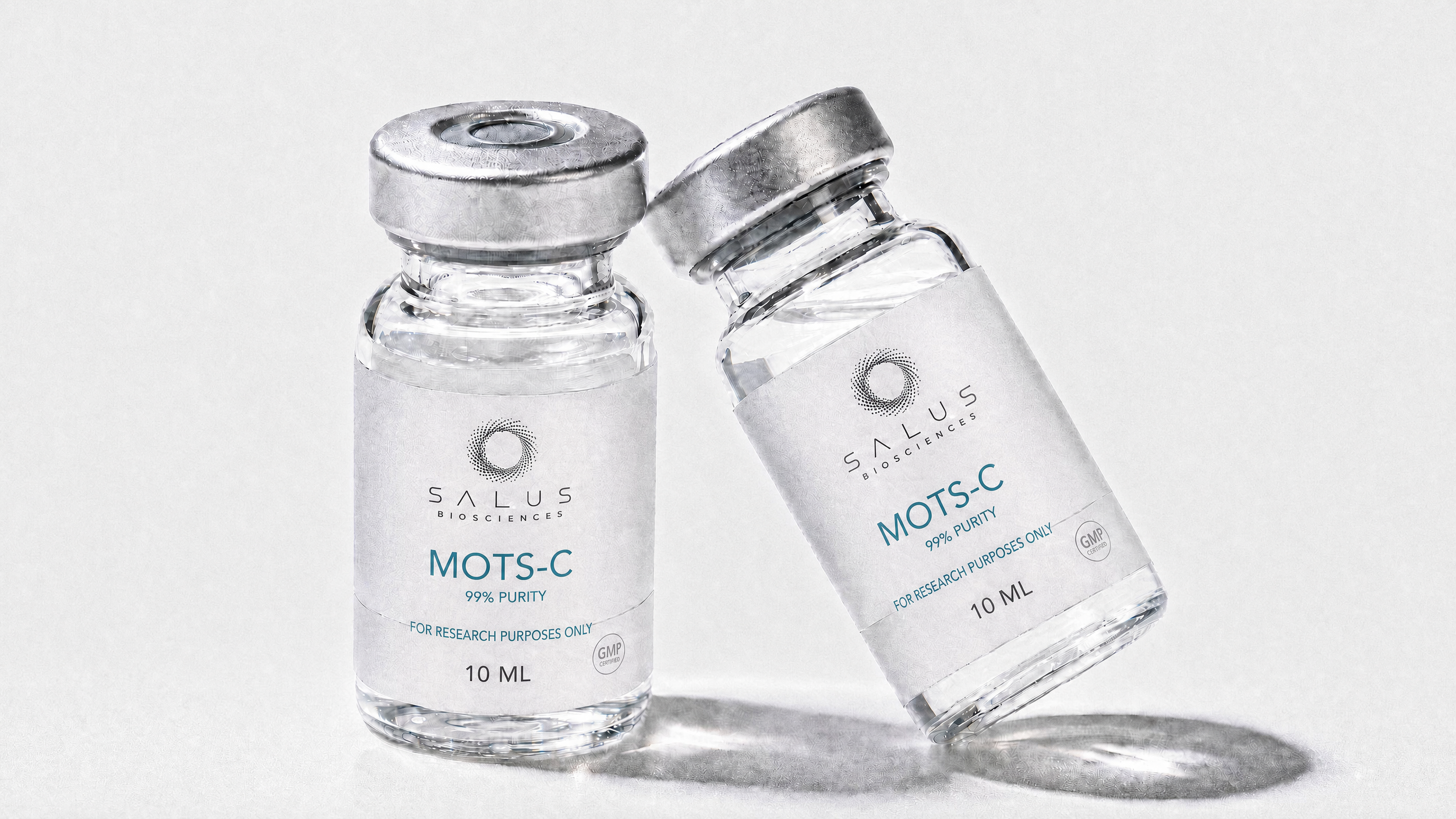
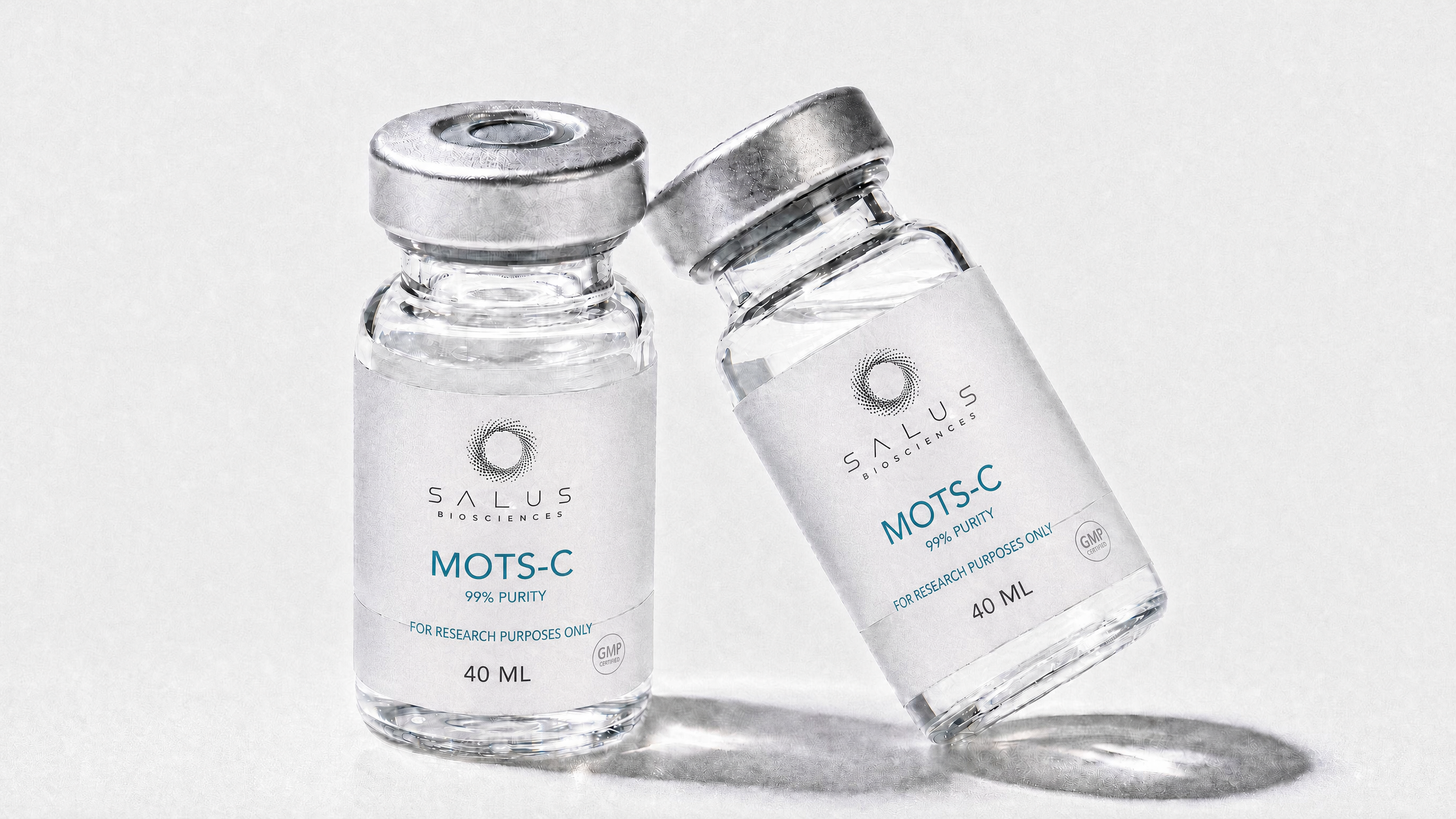
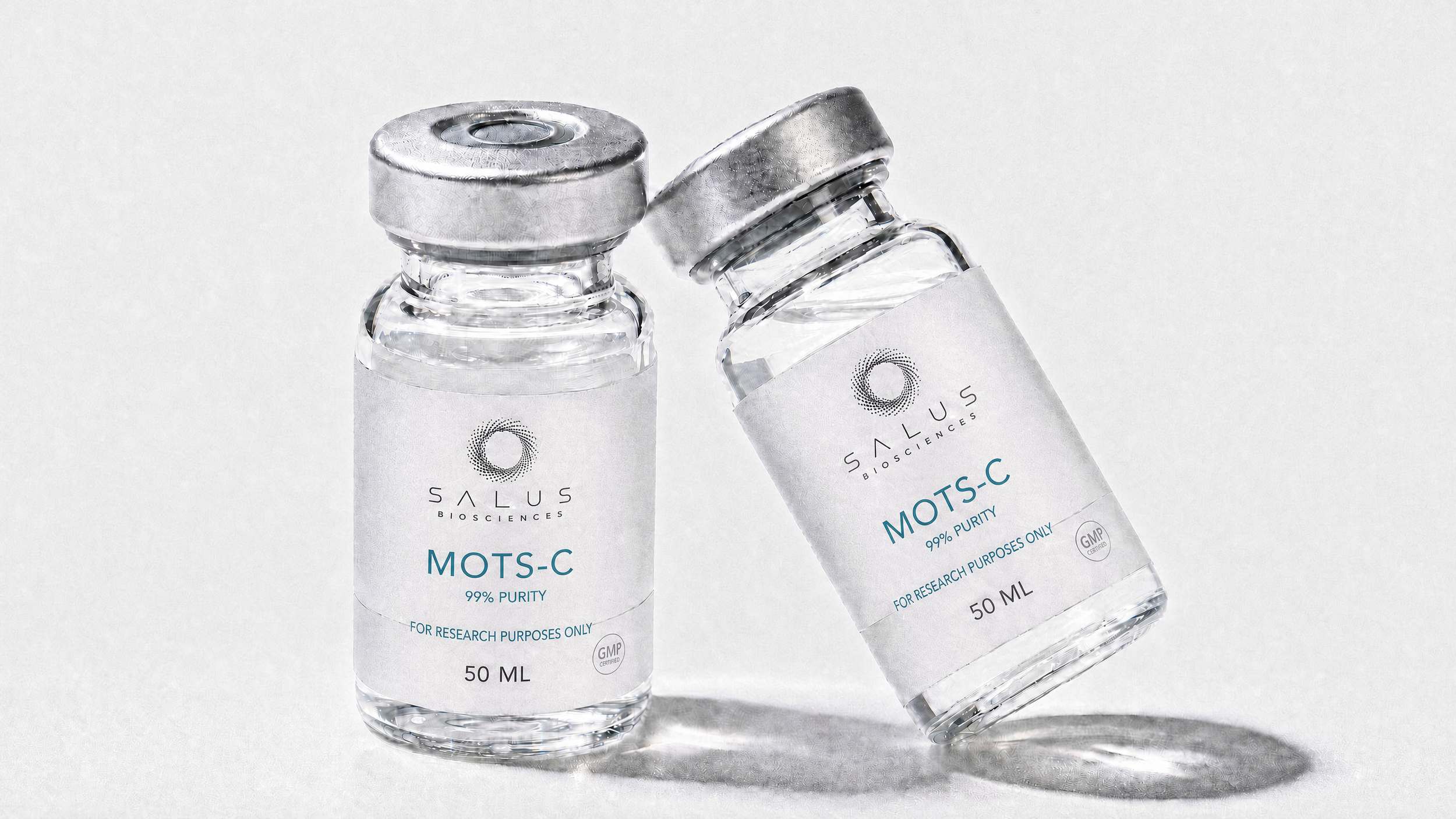
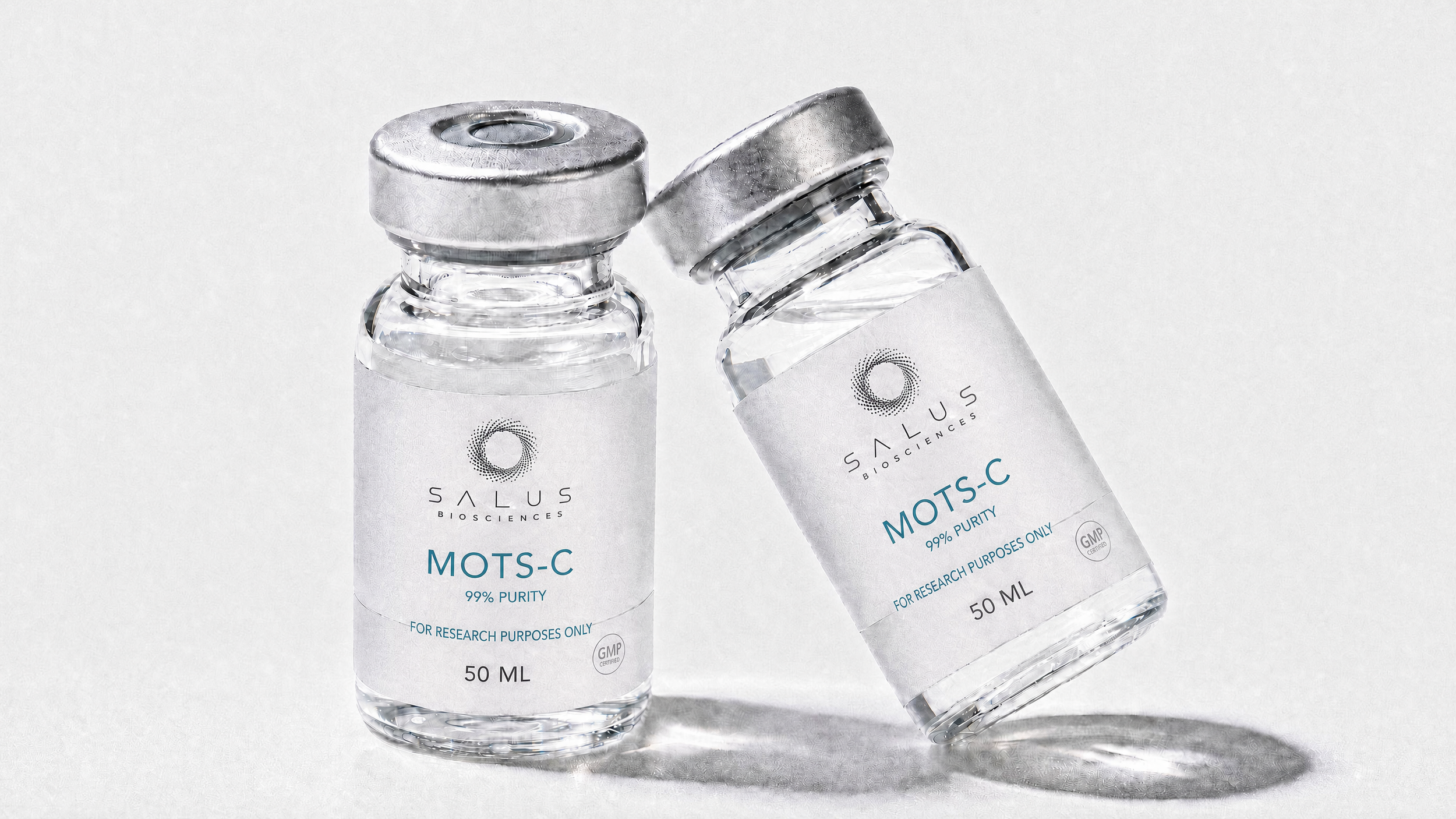
MOTS-c is a 16 amino acid mitochondrial-derived peptide (MDP) that acts as a metabolic regulator, primarily through AMPK activation. Preclinical studies show it enhances insulin sensitivity, promotes fat oxidation, improves exercise capacity, and counters age-related metabolic decline.
This product is intended strictly for laboratory research purposes only. It is not approved for human or animal use and must not be used in food, supplements, pharmaceuticals, or cosmetic applications.
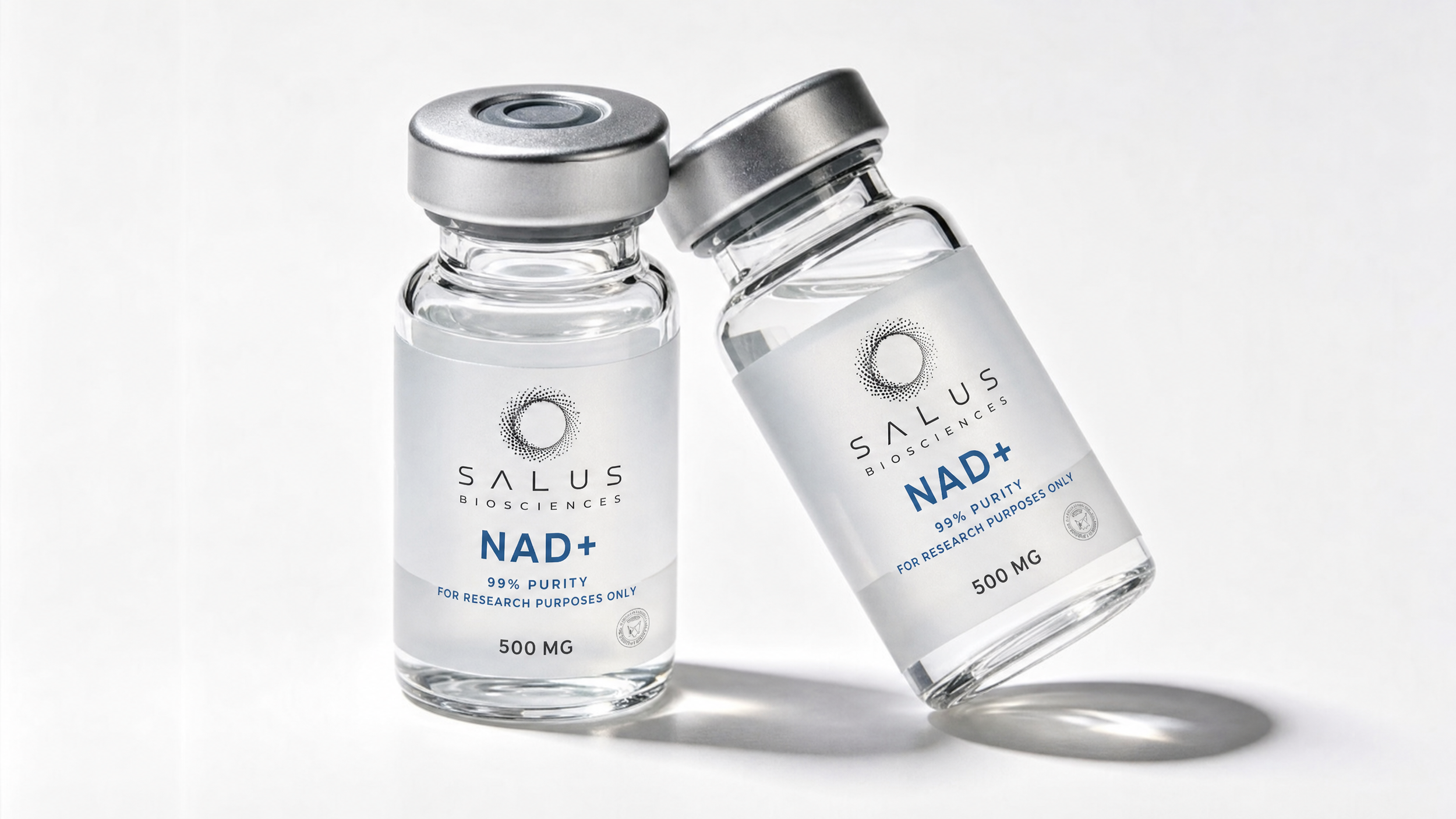
NAD+ (nicotinamide adenine dinucleotide) is a critical coenzyme involved in cellular energy metabolism, DNA repair, and mitochondrial function. Clinical research has primarily employed intravenous infusions at high doses, though subcutaneous administration at lower doses is emerging as a practical maintenance route.
This product is intended strictly for laboratory research purposes only. It is not approved for human or animal use and must not be used in food, supplements, pharmaceuticals, or cosmetic applications.
This product is intended strictly for laboratory research purposes only. It is not approved for human or animal use and must not be used in food, supplements, pharmaceuticals, or cosmetic applications.
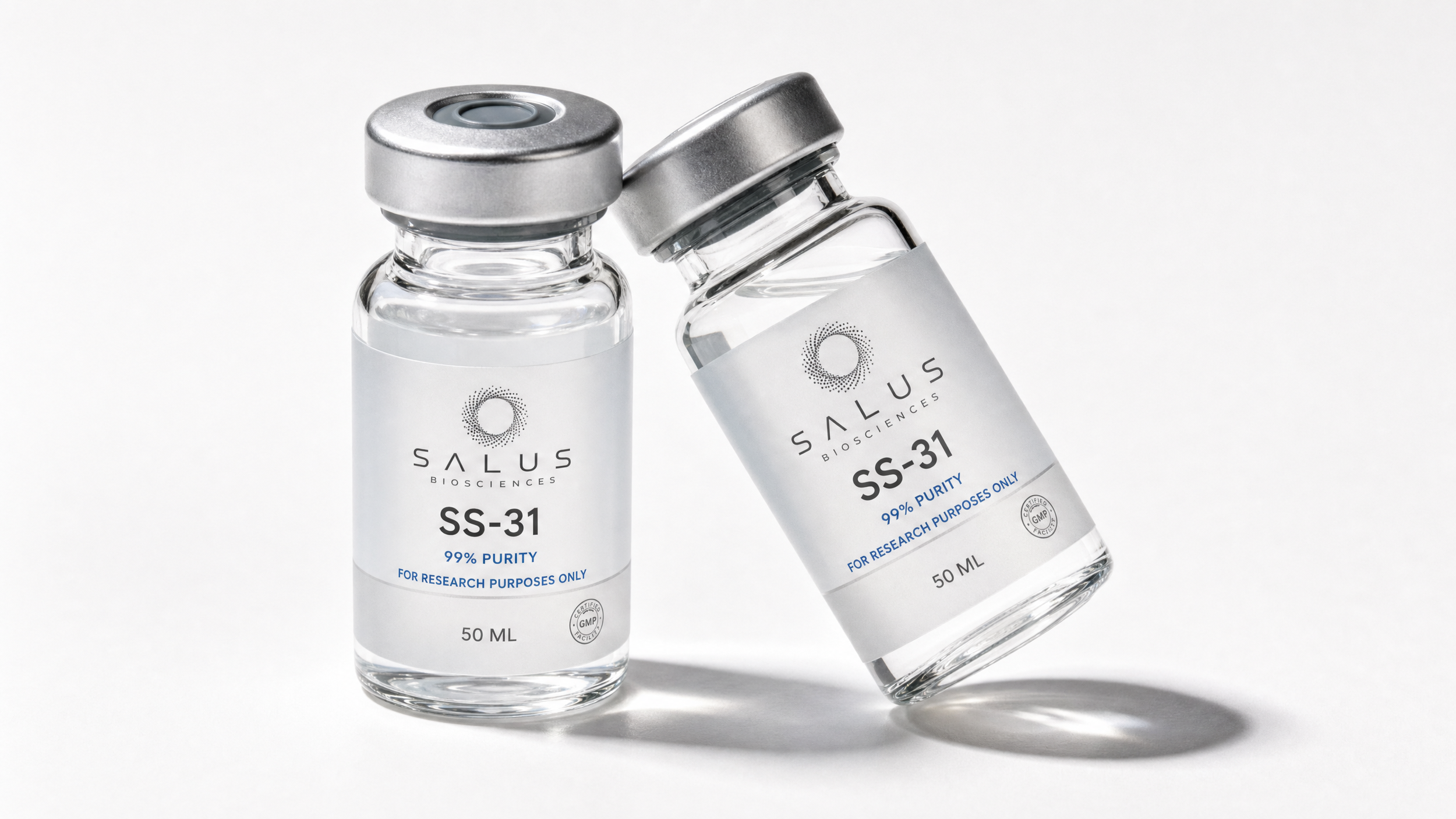
SS-31 is researched for mitochondrial efficiency and neuronal energy production.
MOTS-c is often discussed for metabolic flexibility and cellular resilience.
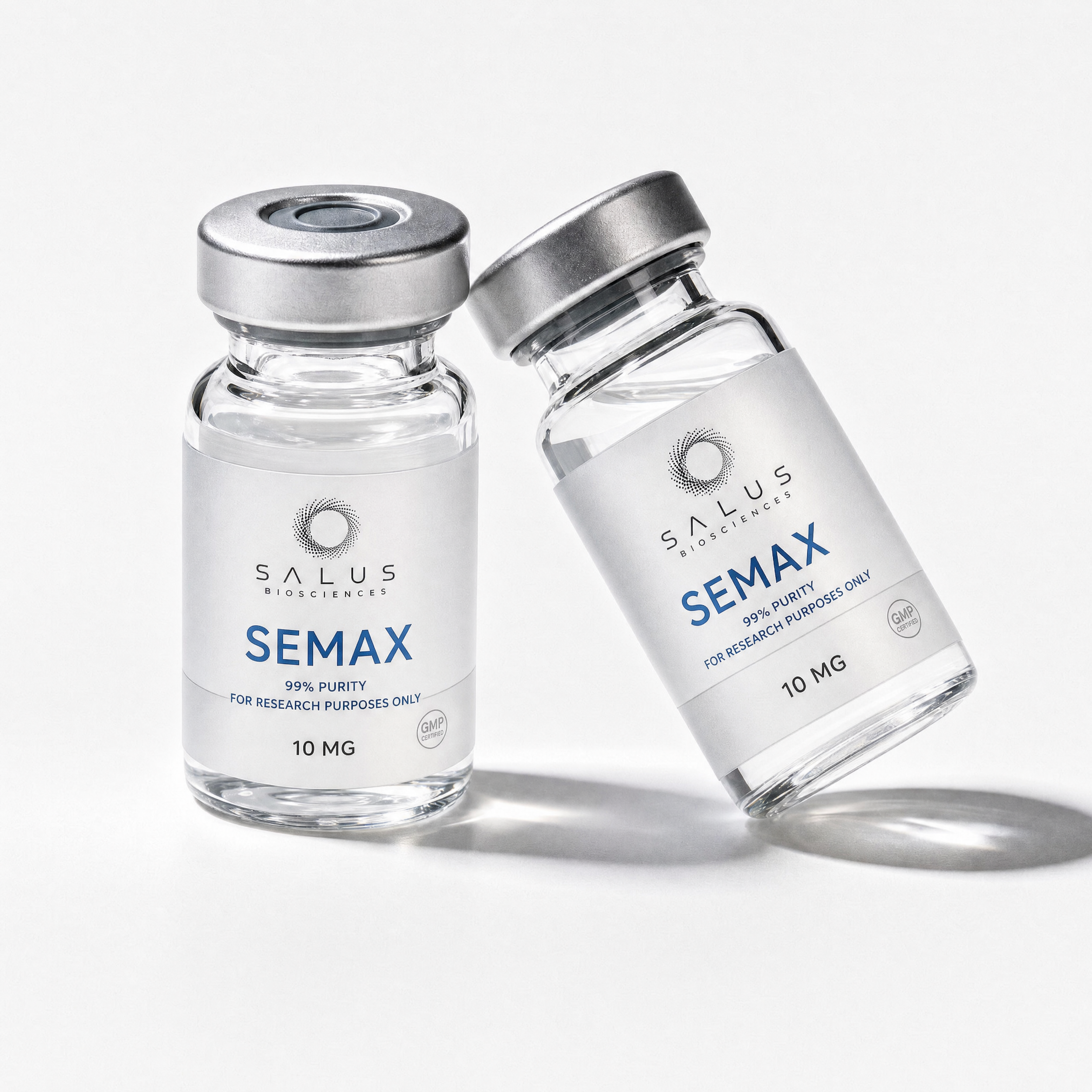
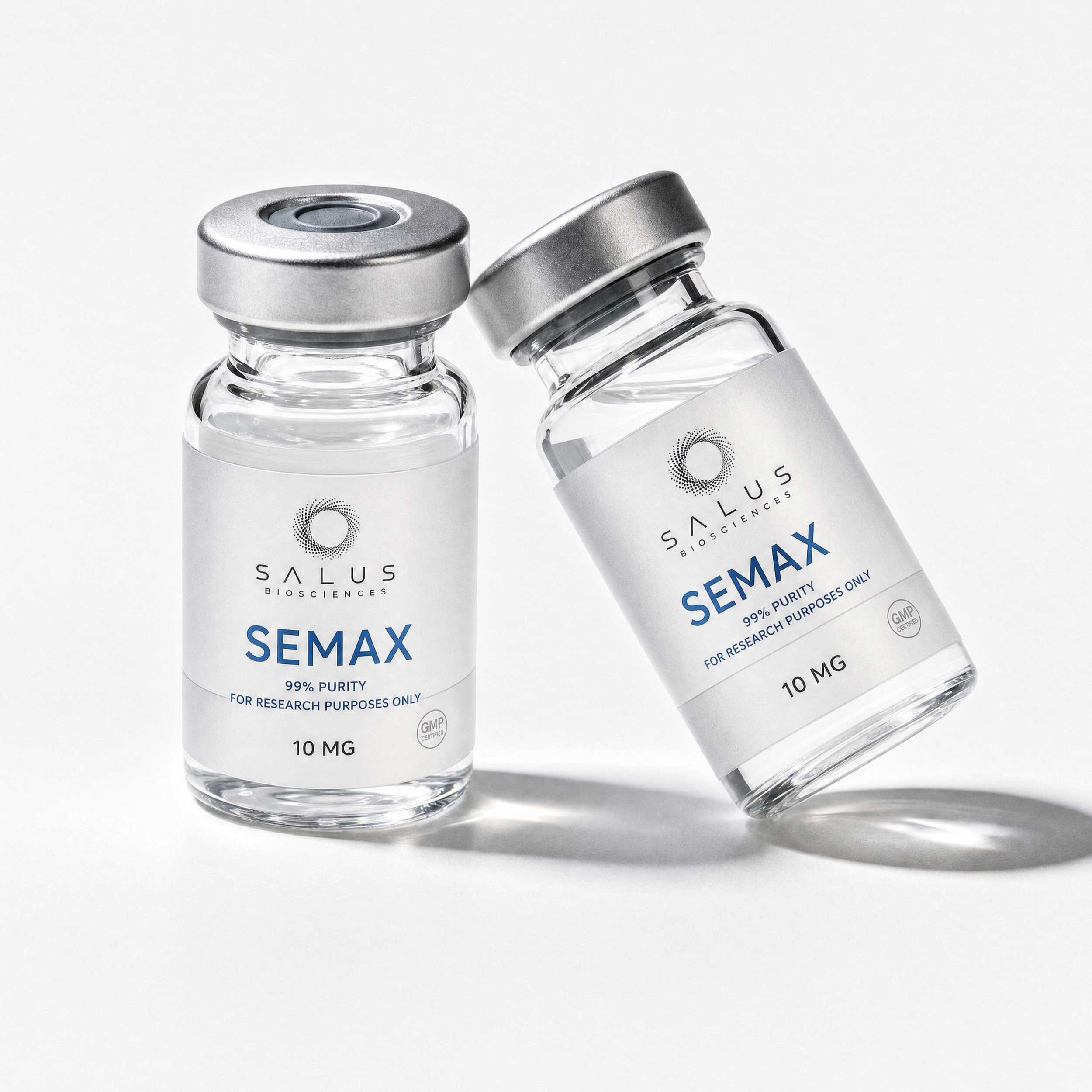
Semax is one of the most commonly discussed nootropic peptides and has been studied for neuroprotective and cognitive-support effects.
Intended Use
This product is intended strictly for laboratory research purposes only. It is not approved for human or animal use and must not be used in food, supplements, pharmaceuticals, or cosmetic applications.
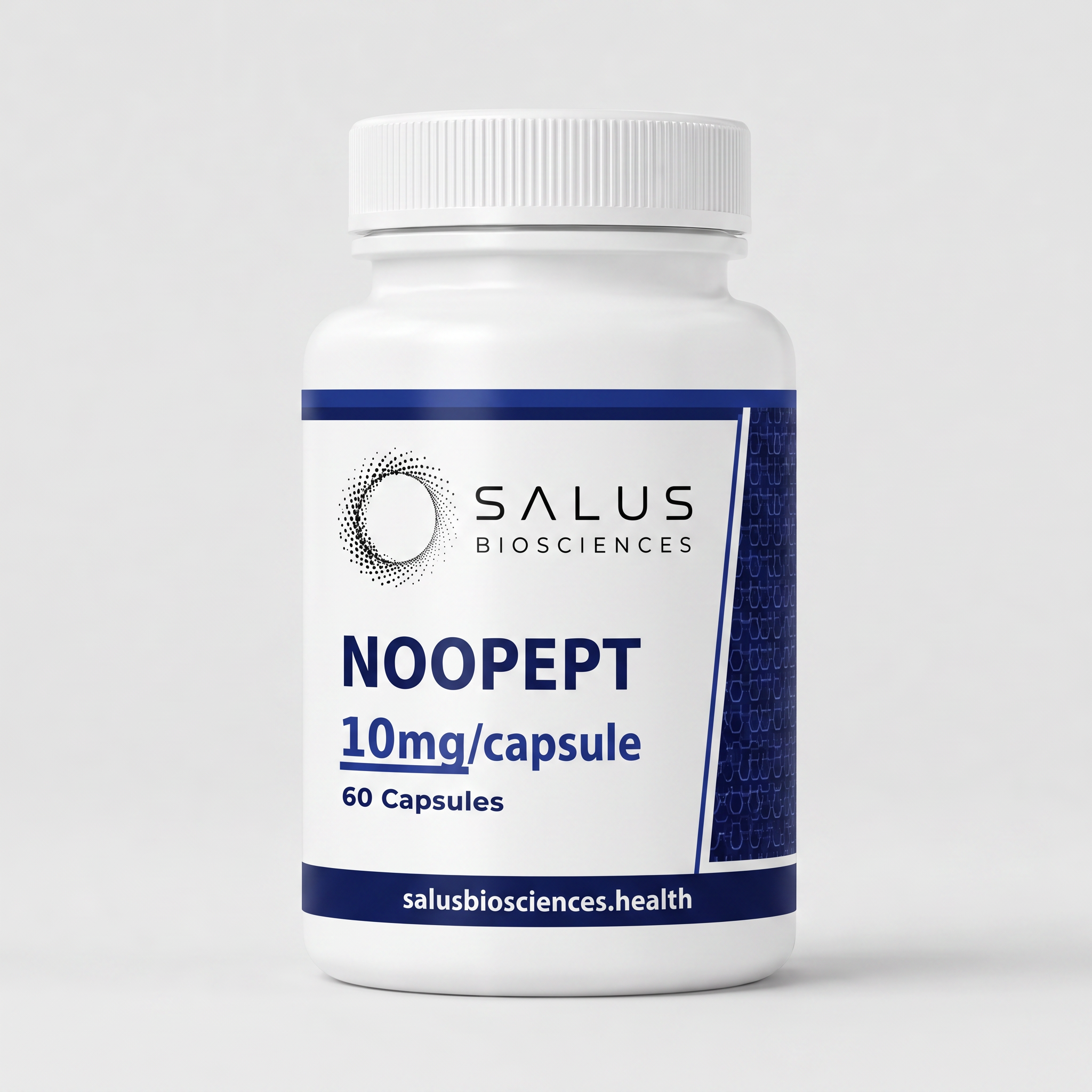
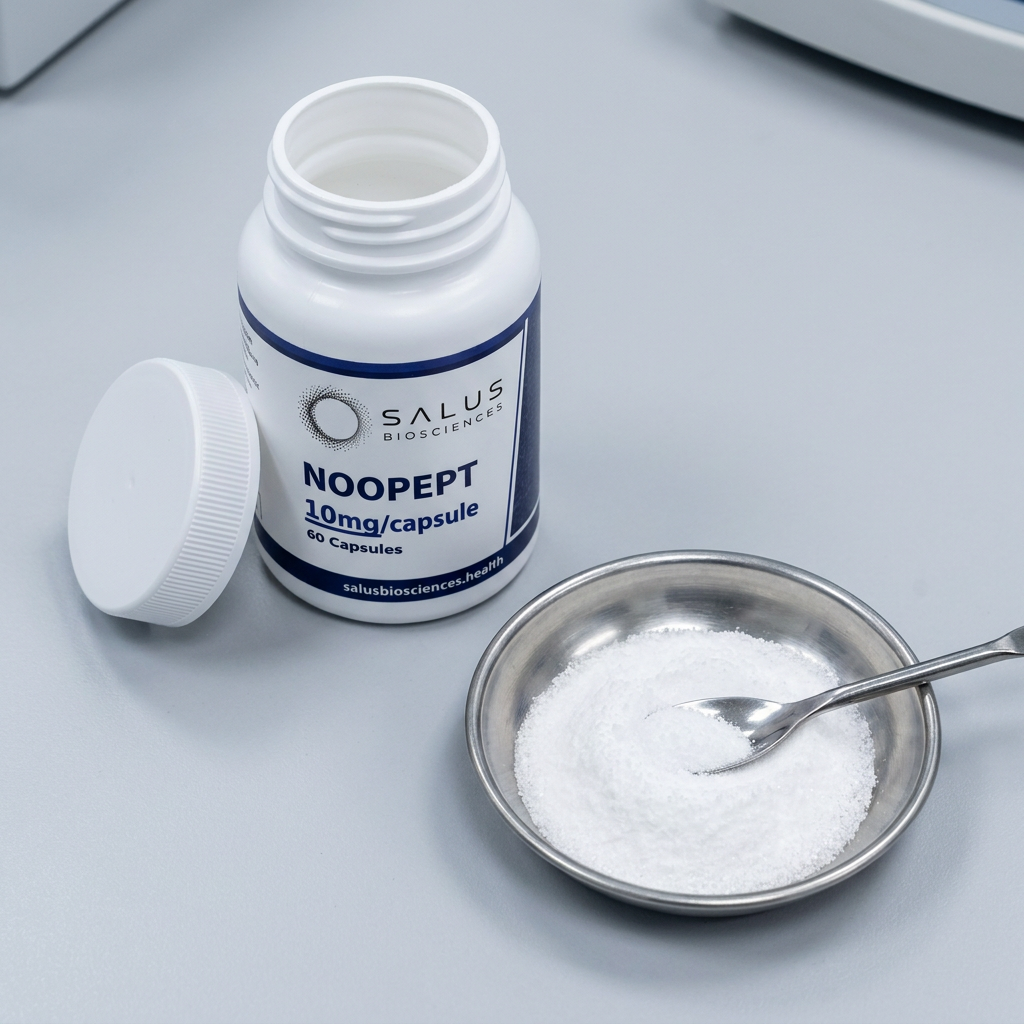
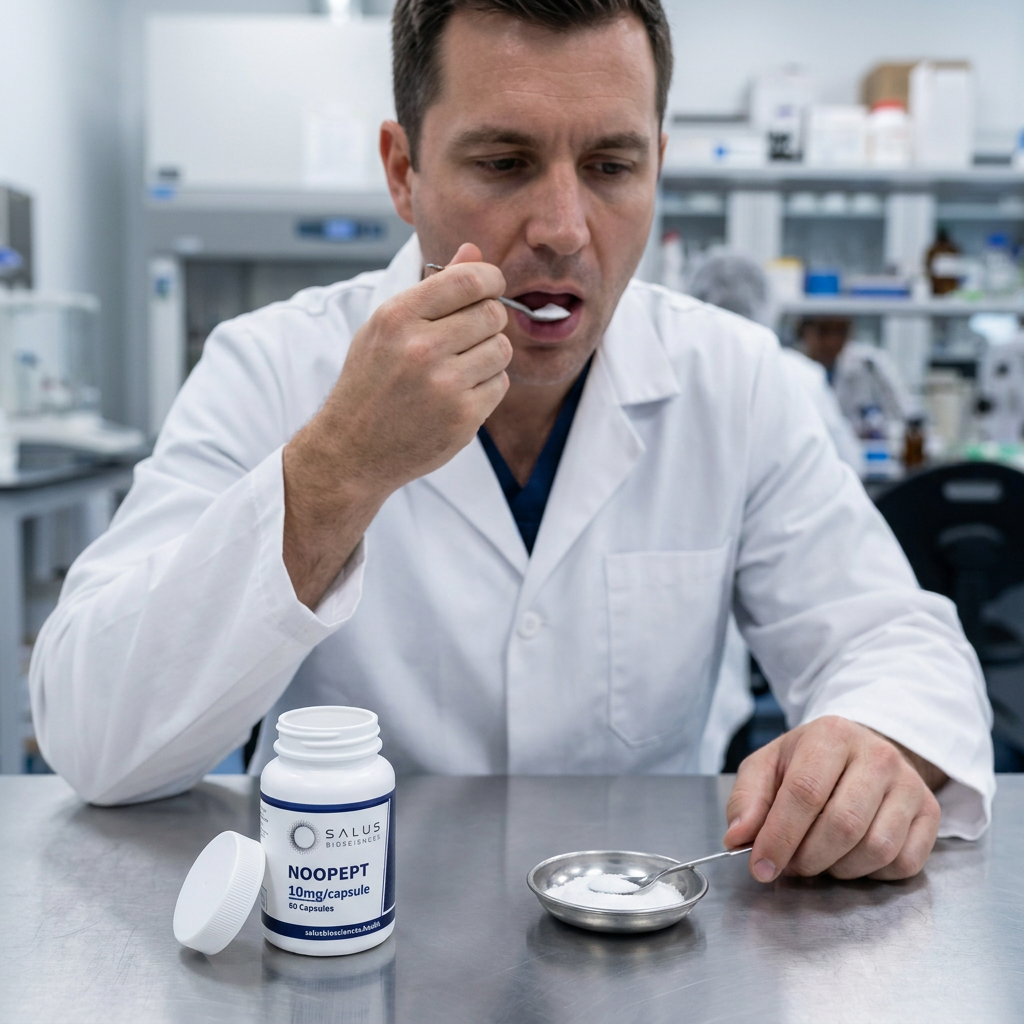
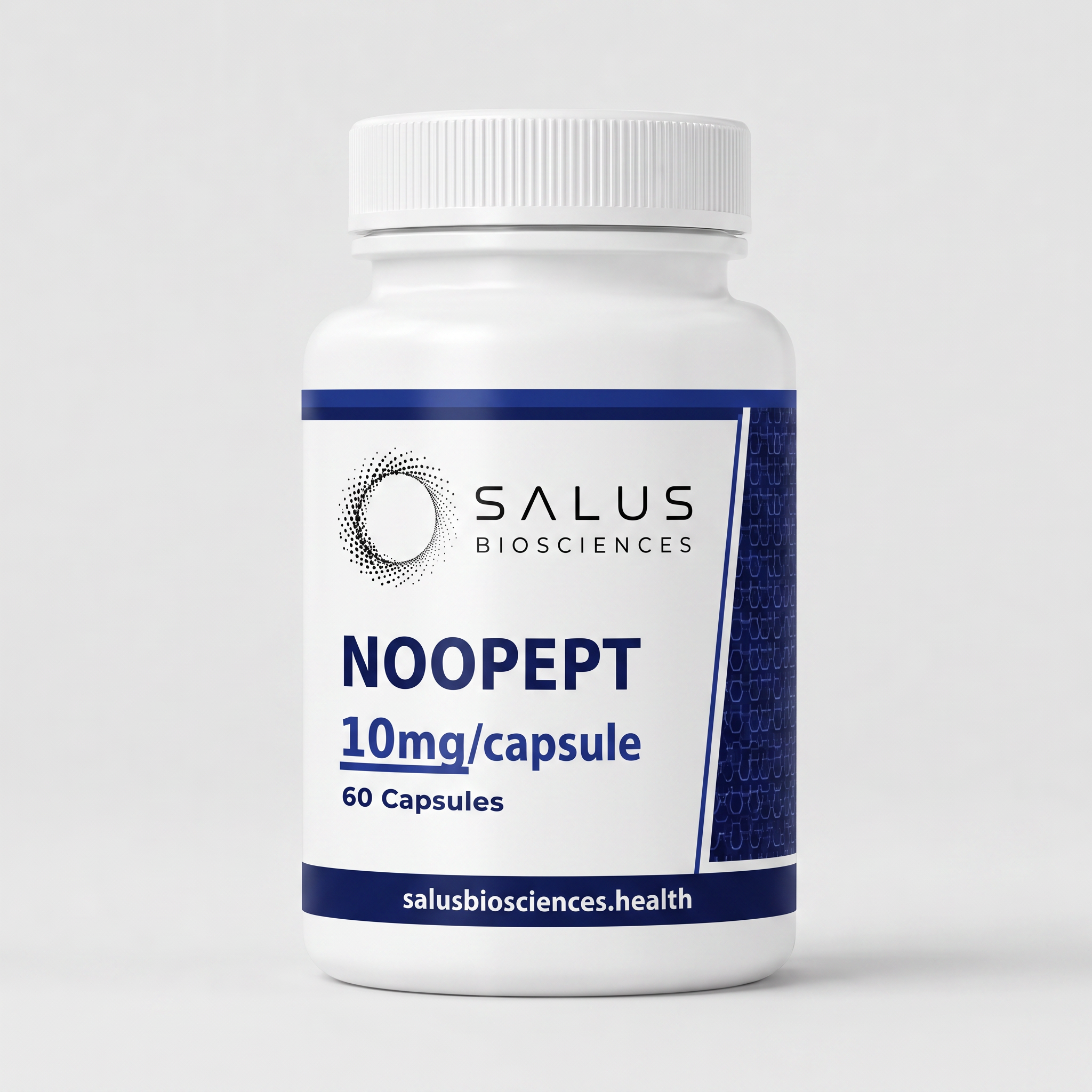
Noopept (GVS-111) nootropic research compound ORAL 10-30MG/DAY— capsule format, batch-COA documented. Research use only.
COMING SOON · COA issued per LOT
This product is intended strictly for laboratory research purposes only. It is not approved for human or animal use and must not be used in food, supplements, pharmaceuticals, or cosmetic applications.
SynonymsNoopept, GVS-111, OmberacetamMolecular FormulaC17H22N2O4Molecular Weight318.4 g/molPhysical AppearanceCapsulesPurityReported on batch COAPubChemLaboratory Chemical Safety Summary ↗TermsLaboratory research use only (RUO). Not for human, animal, diagnostic, or household use.HANDLING AND STORAGE
Store lyophilized material at –20°C, protected from light and moisture. After reconstitution, keep refrigerated at 2–8°C and use within the window noted on the batch documentation. Handle under aseptic technique. For laboratory research use only.
This product is intended strictly for laboratory research purposes only. It is not approved for human or animal use and must not be used in food, supplements, pharmaceuticals, or cosmetic applications.
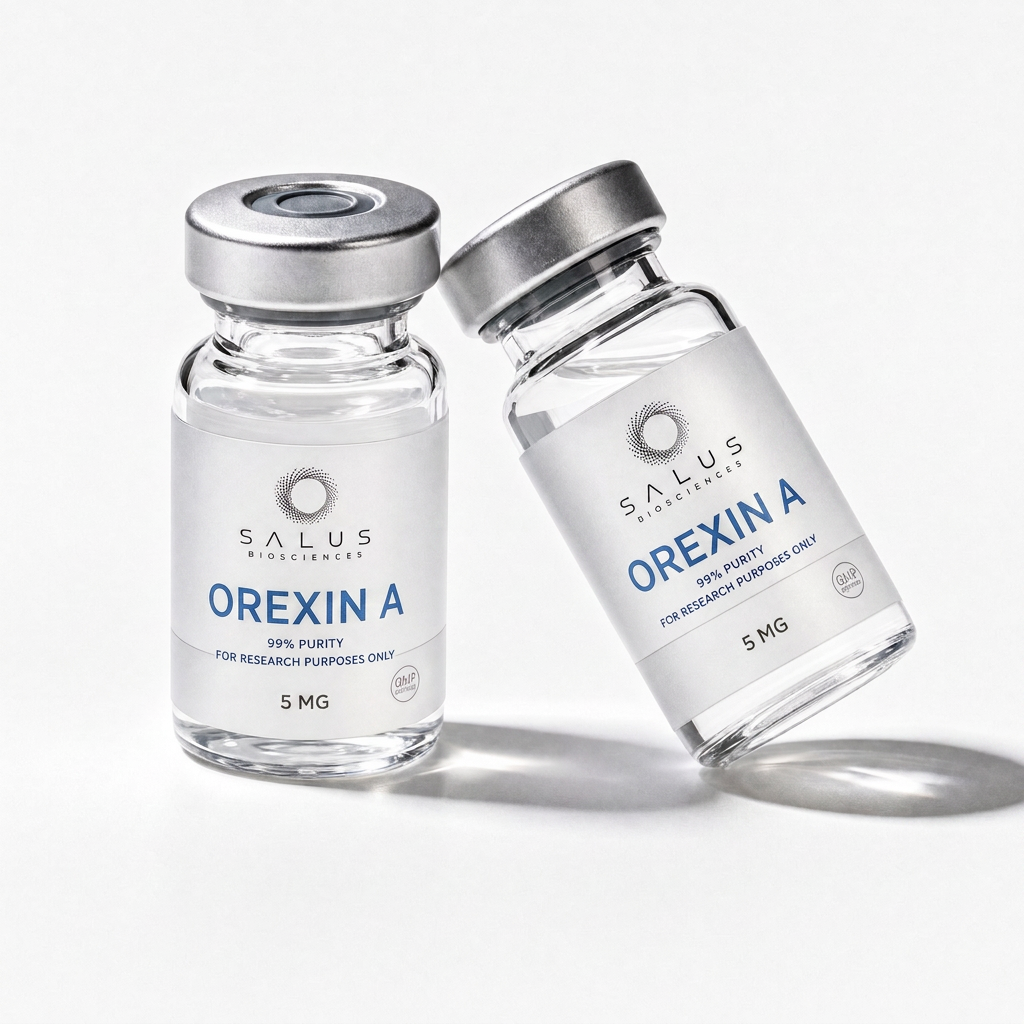
Orexin-A 5mg is a standardized research vial size for the 33-amino acid hypothalamic neuropeptide (also called hypocretin-1), strictly designated for laboratory and preclinical study rather than human use.
This product is intended strictly for laboratory research purposes only. It is not approved for human or animal use and must not be used in food, supplements, pharmaceuticals, or cosmetic applications.
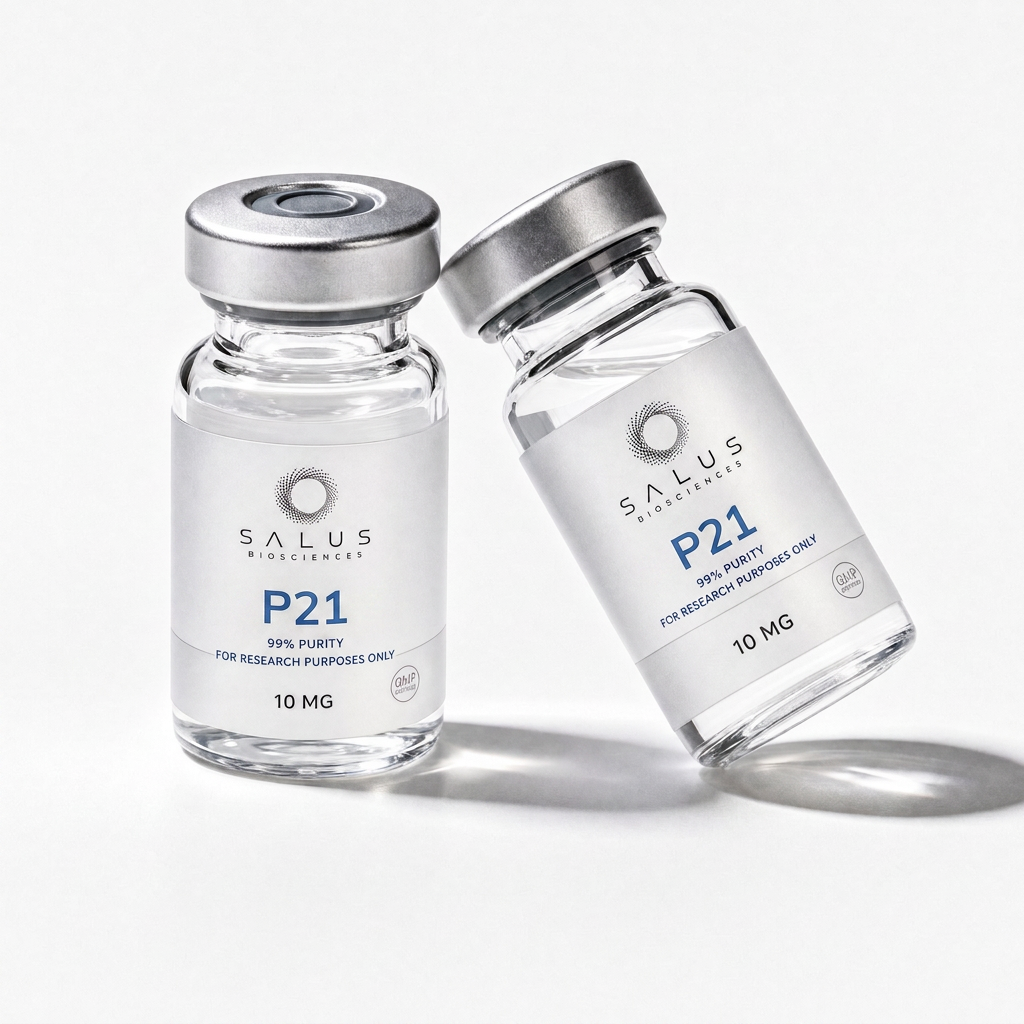
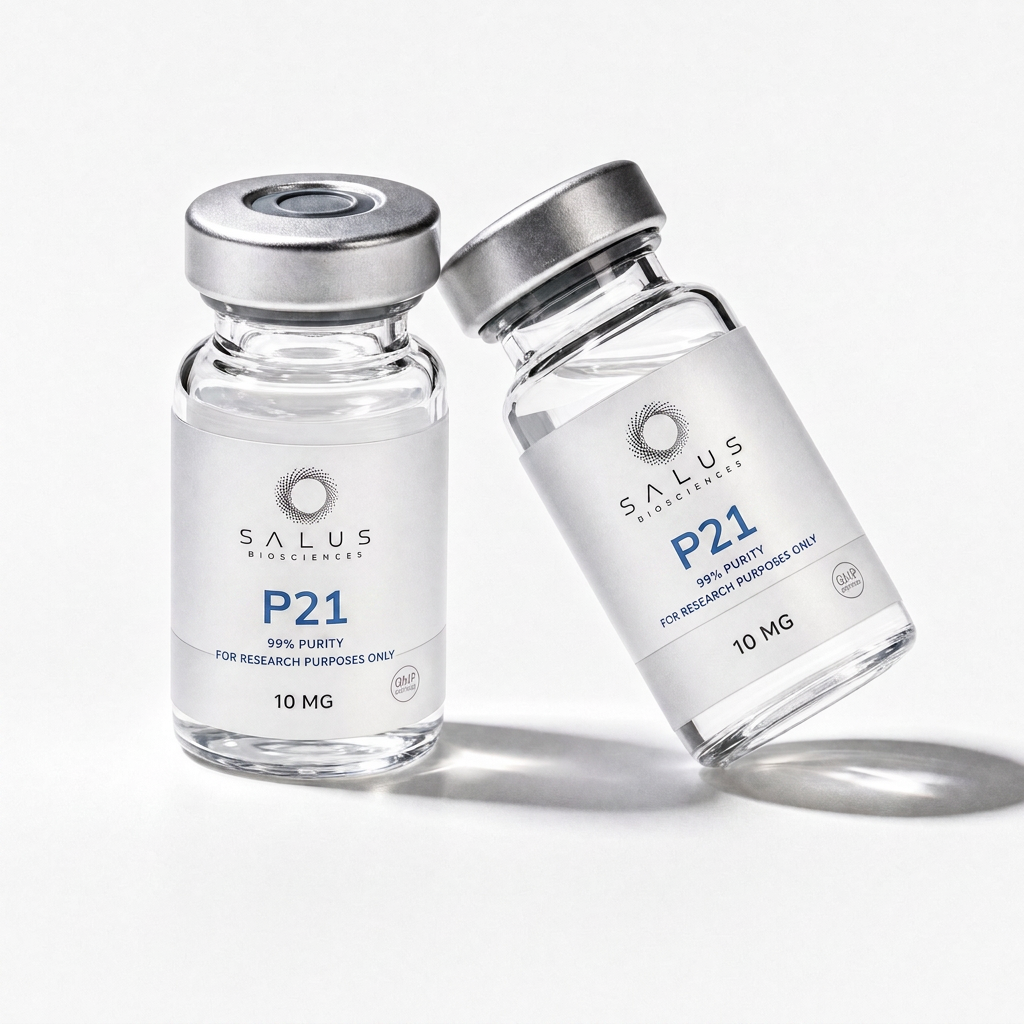
P21 is a synthetic research peptide known for its role in studies involving neural, biochemical, and cellular signaling pathways. Researchers utilize P21 to explore the influence of peptide fragments on molecular processes such as protein synthesis and receptor modulation. Each 10mg vial is synthesized under strict laboratory standards and verified by independent third-party analysis to confirm 99% purity and stability. P21’s consistent molecular structure allows for reproducible results across a range of in vitro and peptide-based studies. This compound provides an excellent model for understanding peptide behavior and biochemical regulation under controlled laboratory conditions. Its solubility and durability make it ideal for advanced peptide mapping, receptor interaction, and gene expression experiments. P21 is intended solely for research and laboratory use, and not for human or animal consumption. It must be handled by qualified professionals following proper laboratory safety protocols.
This product is intended strictly for laboratory research purposes only. It is not approved for human or animal use and must not be used in food, supplements, pharmaceuticals, or cosmetic applications.
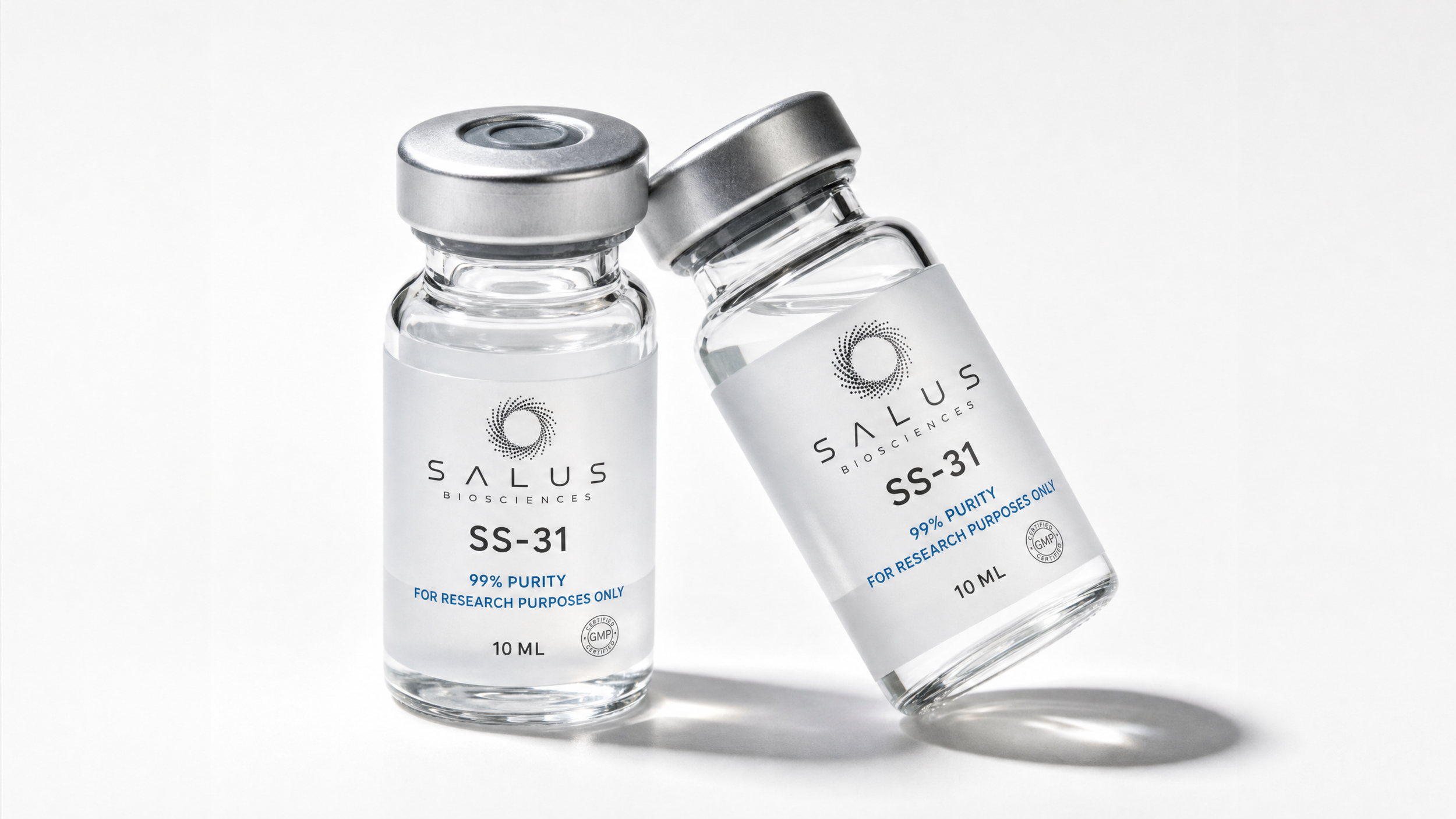
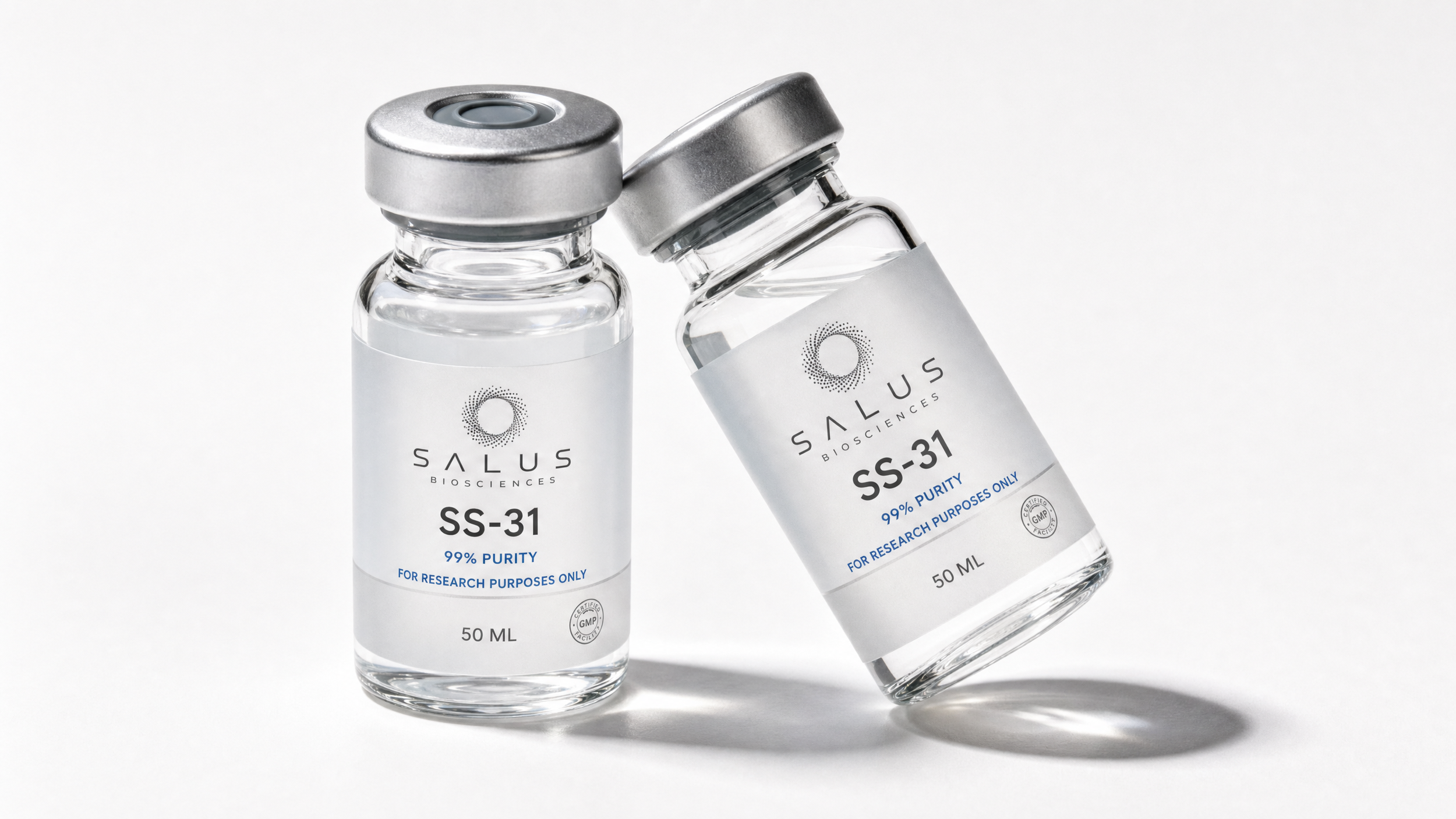
SS-31 (elamipretide) is a mitochondria-targeted tetrapeptide that selectively binds cardiolipin in the inner mitochondrial membrane, stabilizing electron transport chain complexes and reducing reactive oxygen species production while enhancing ATP synthesis. This peptide has demonstrated protective effects in preclinical models of heart failure, neurodegenerative disease, and age-related muscle atrophy, and received FDA accelerated approval in 2025 as the first treatment for Barth syndrome.
This product is intended strictly for laboratory research purposes only. It is not approved for human or animal use and must not be used in food, supplements, pharmaceuticals, or cosmetic applications.
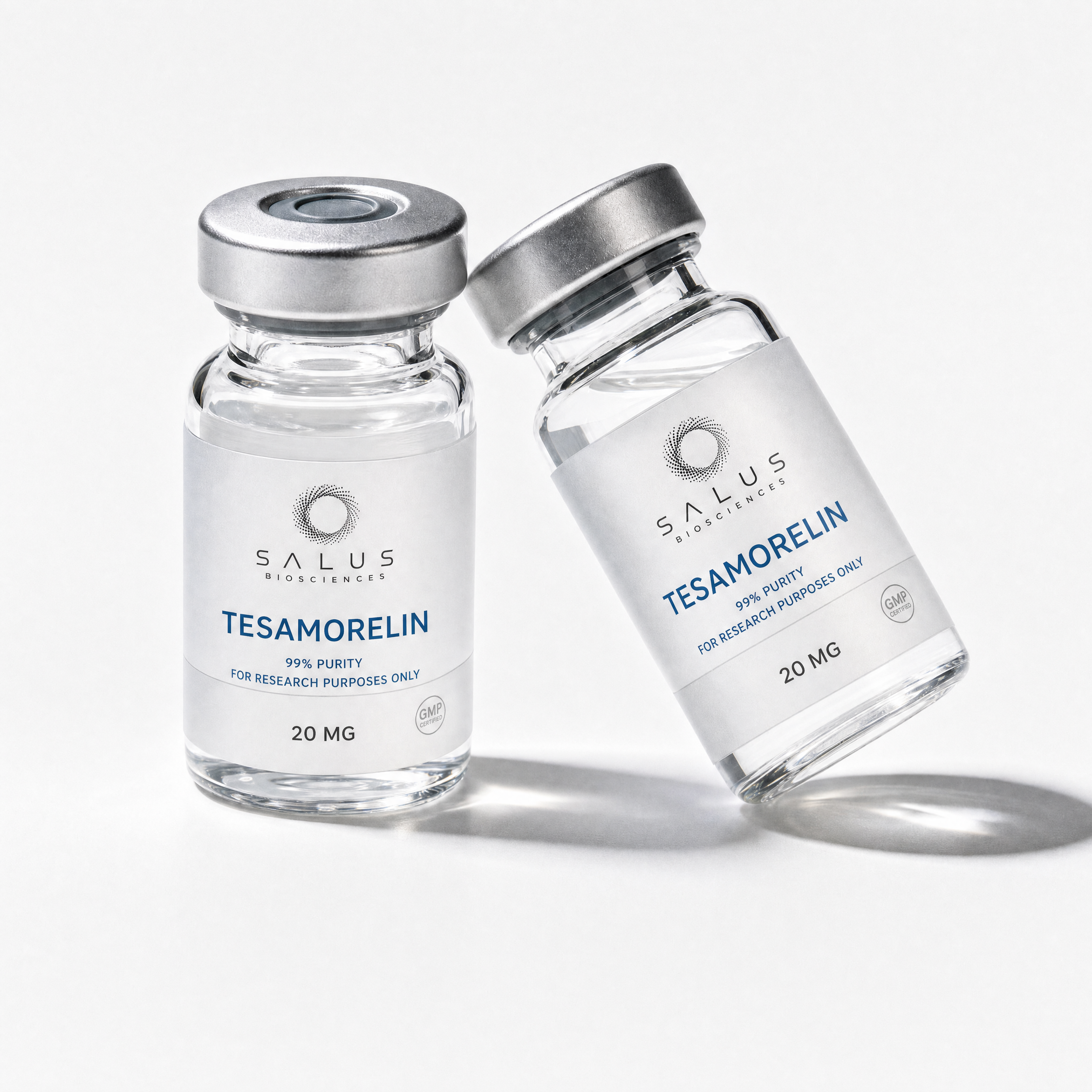
Tesamorelin is a synthetic 44 amino acid peptide analog of Growth Hormone-Releasing Hormone (GHRH). It stimulates endogenous growth hormone release and raises IGF-1 levels, leading to enhanced lipolysis and metabolic benefits. Tesamorelin is FDA-approved for reducing visceral adipose tissue in HIV-associated lipodystrophy and is studied for metabolic disorders and aging research.
This product is intended strictly for laboratory research purposes only. It is not approved for human or animal use and must not be used in food, supplements, pharmaceuticals, or cosmetic applications.
Intended Use
This product is intended strictly for laboratory research purposes only. It is not approved for human or animal use and must not be used in food, supplements, pharmaceuticals, or cosmetic applications.
THE ULTIMATE CUT
GLP-TRES handles appetite, glucose control, and energy expenditure.
AOD-9604 targets fat metabolism.
For AOD-9604, think of it as a "fat-loss accelerator" rather than an appetite suppressant. The best pairings are usually with peptides that cover the areas AOD doesn't.
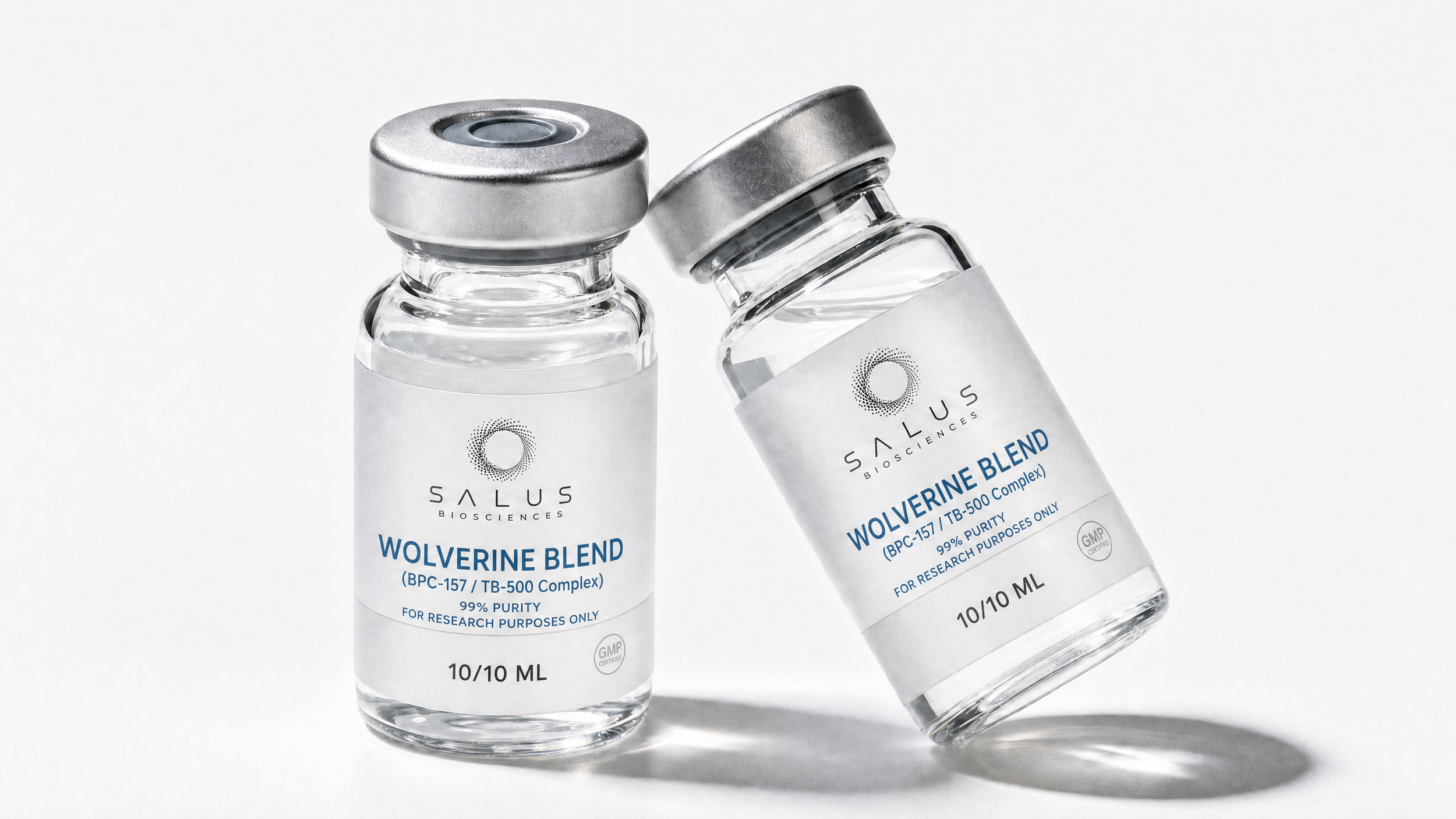
The Wolverine protocol (or stack) is an experimental peptide therapy combining BPC-157 and TB-500 designed to accelerate soft tissue repair, reduce inflammation, and mimic rapid healing.
This product is intended strictly for laboratory research purposes only. It is not approved for human or animal use and must not be used in food, supplements, pharmaceuticals, or cosmetic applications.
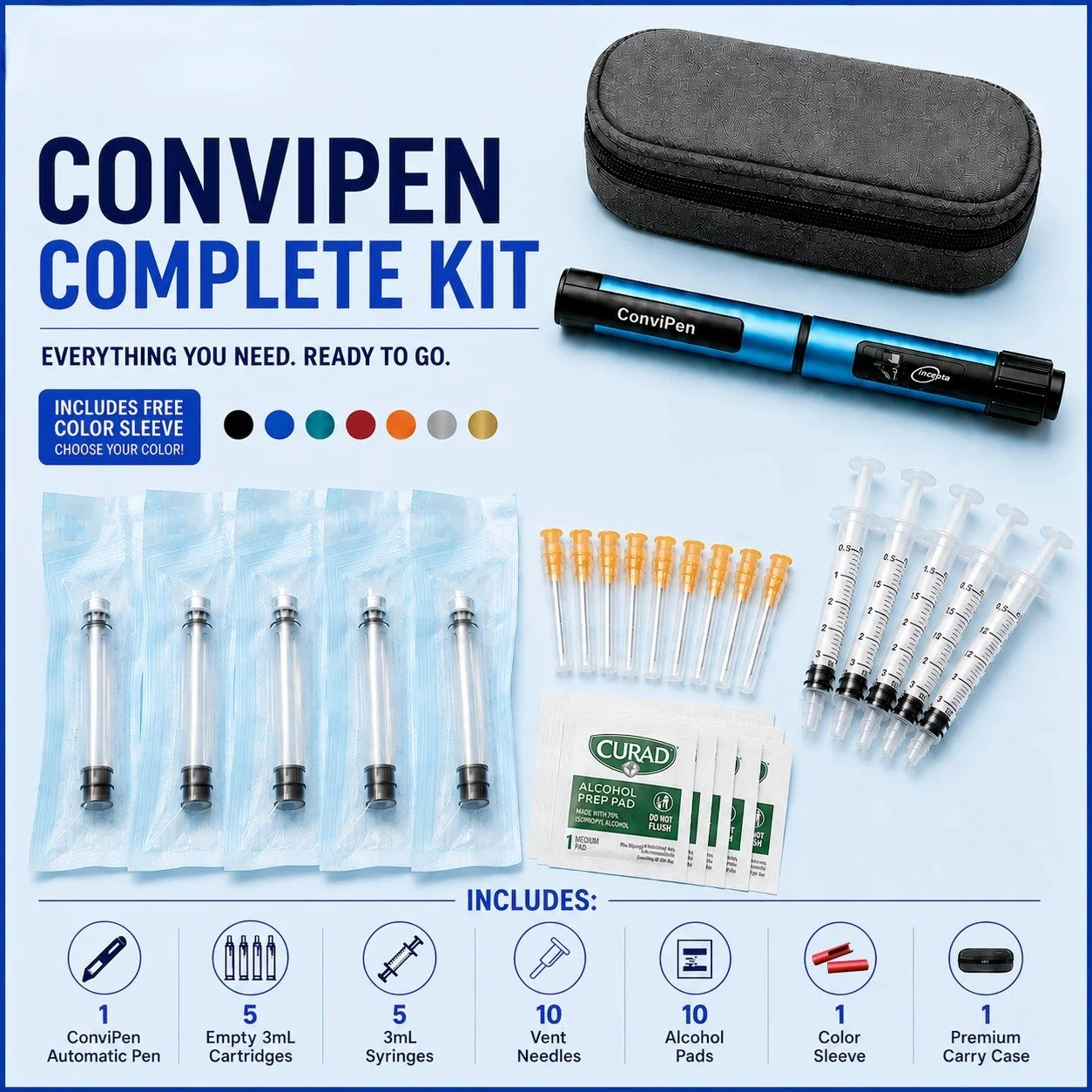
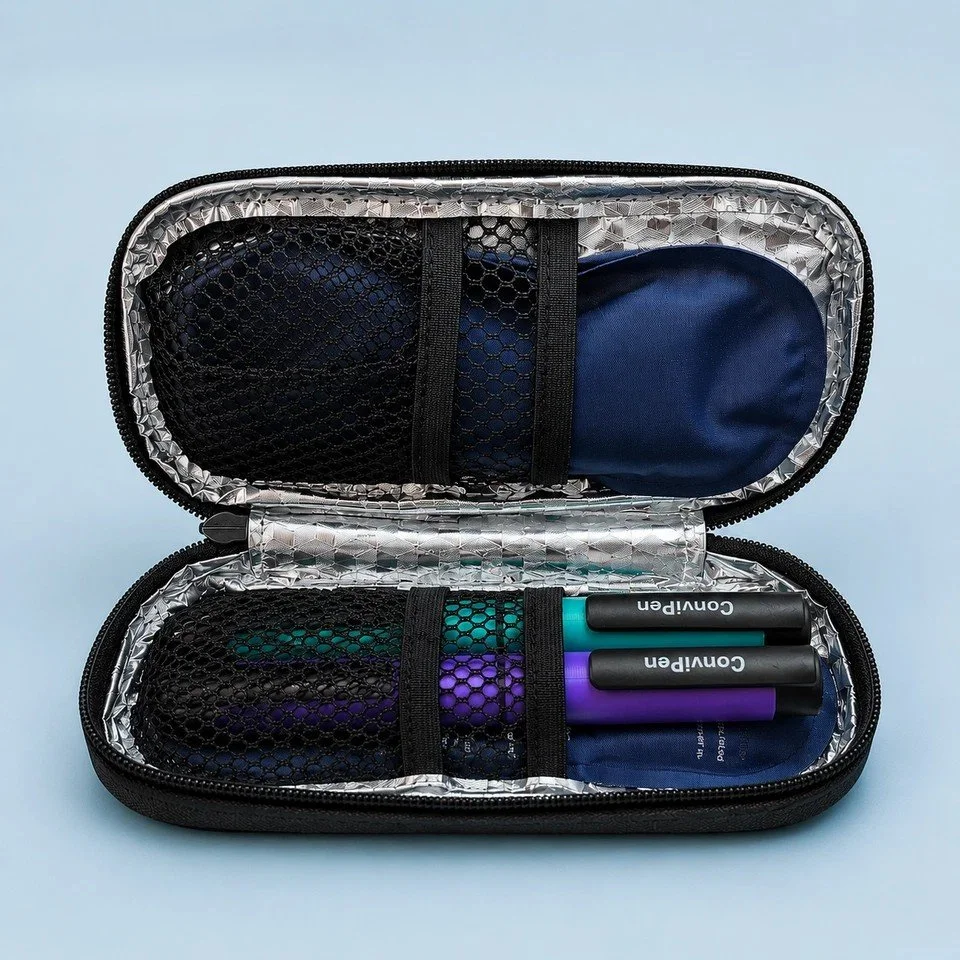
Everything you need. Ready to go.
The ConviPen Complete Diabetic Kit is our most complete package, combining the smooth, automatic ConviPen with premium accessories to help you stay organized at home or on the go.
Whether you're purchasing your first reusable pen or upgrading your setup, this kit includes everything needed to prepare and carry your equipment in one convenient package.
✔ ConviPen Automatic Pen
✔ Premium Travel Case (Choose Your Color)
✔ Protective Color Sleeve (Choose Your Color)
✔ 5 Empty 3mL Cartridges
✔ 5 × 3mL Syringe
✔ 10 × Vent Needles
✔ 10 × Alcohol Prep Pads
• Smooth automatic button operation
• Premium reusable pen with precise dose adjustment
• Customizable sleeve and travel case colors
• Protective travel case keeps everything organized
• Empty cartridges individually sealed for cleanliness
• Fast, free shipping from the USA
This listing includes empty accessories only. No medication or liquid is included.
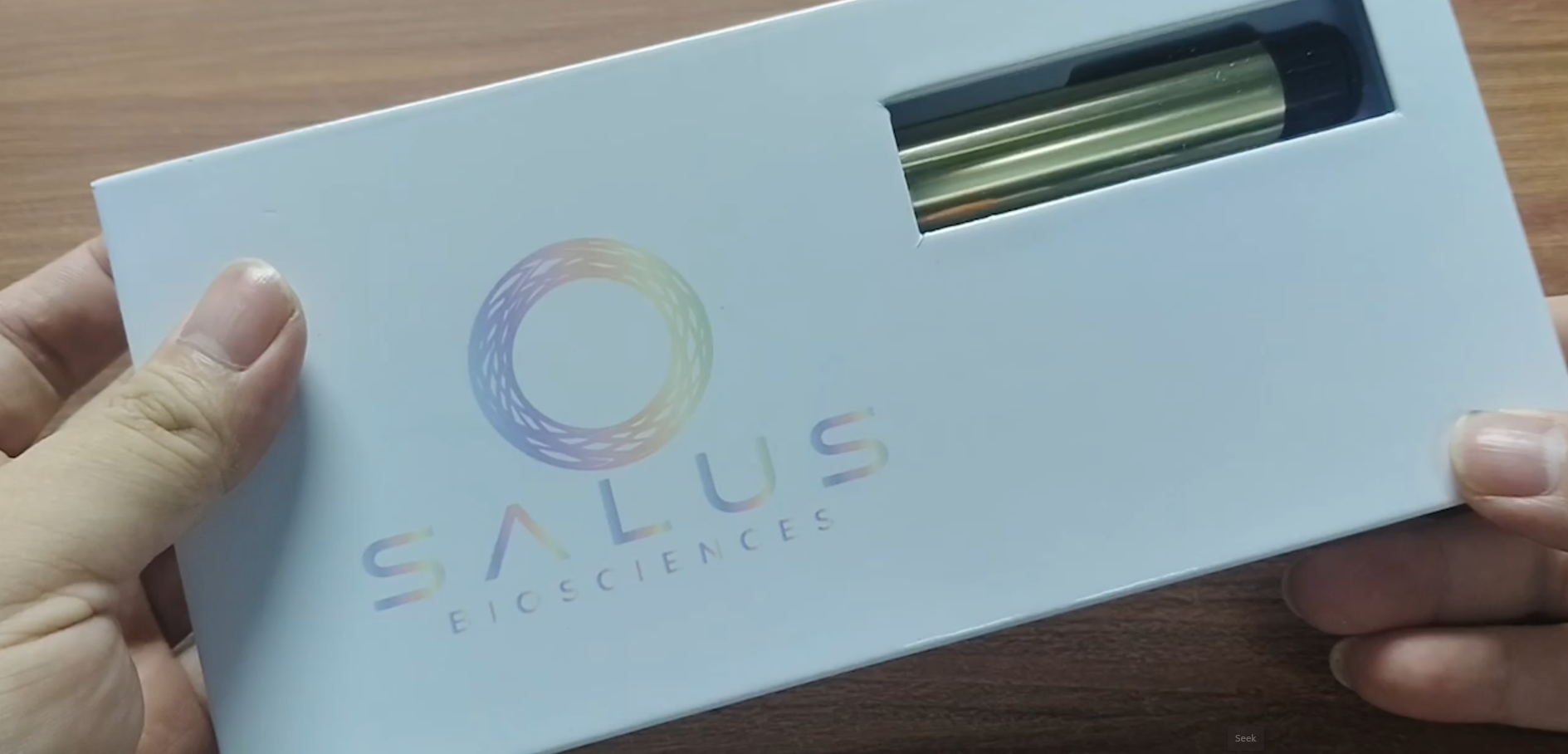
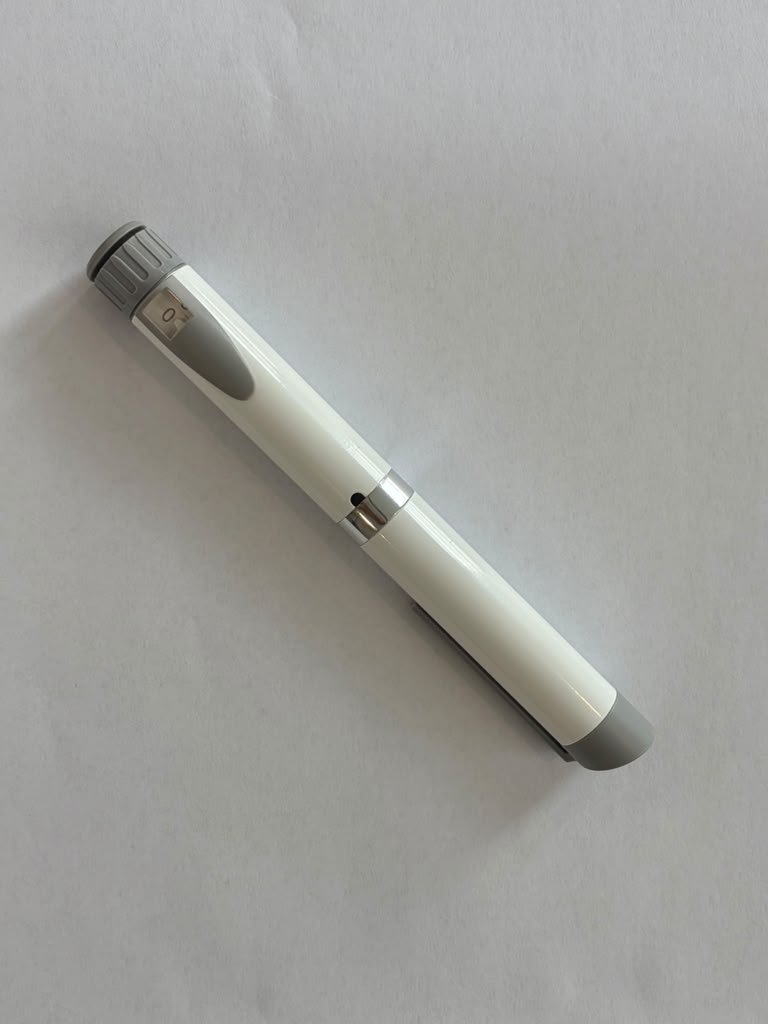
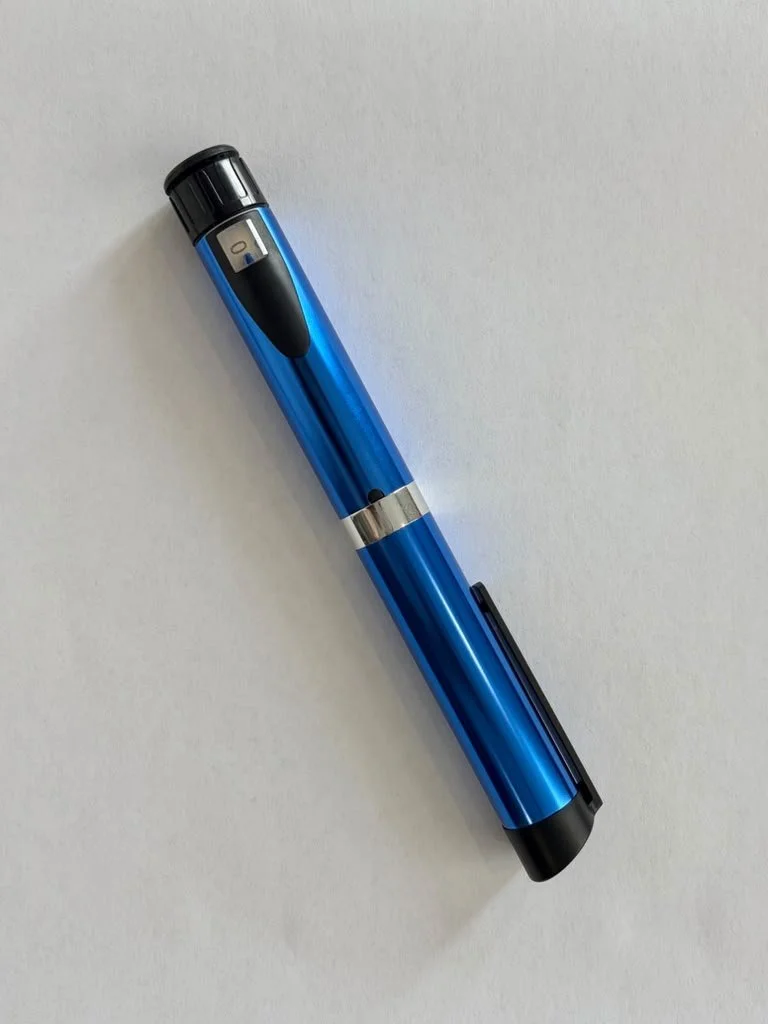
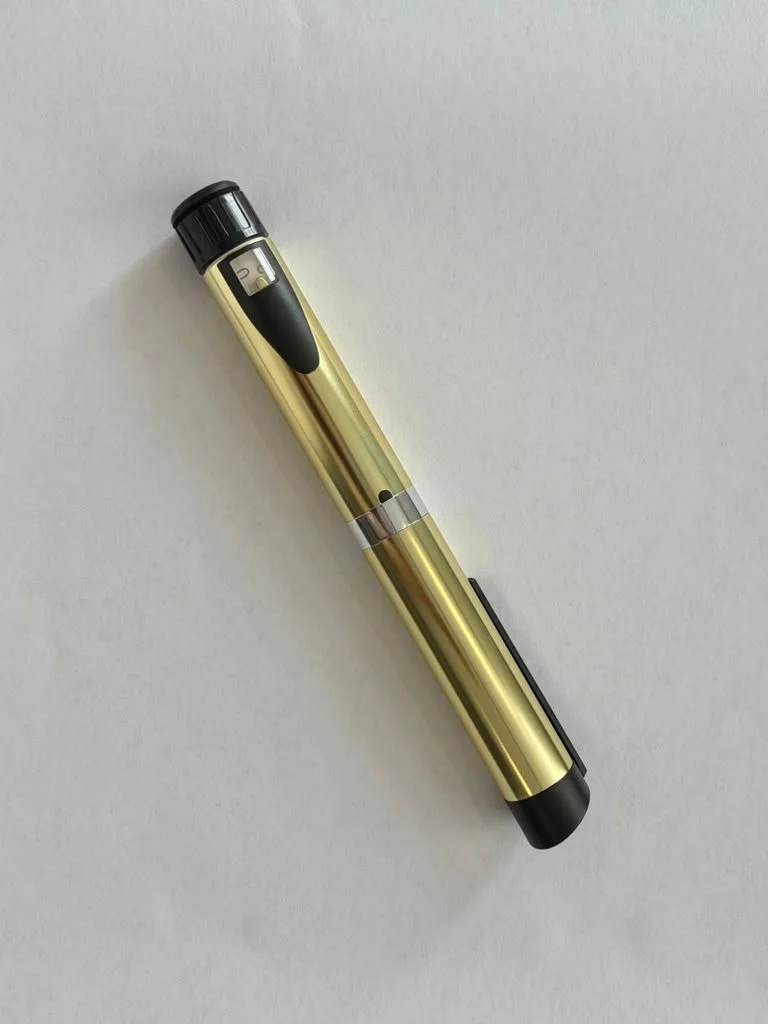
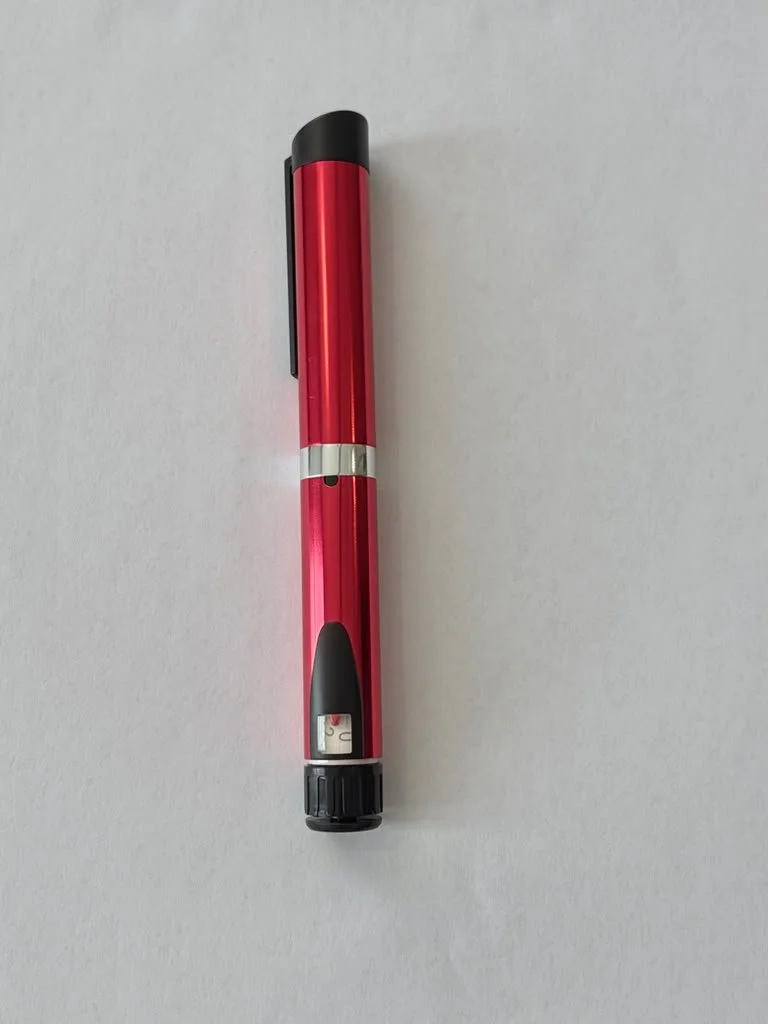
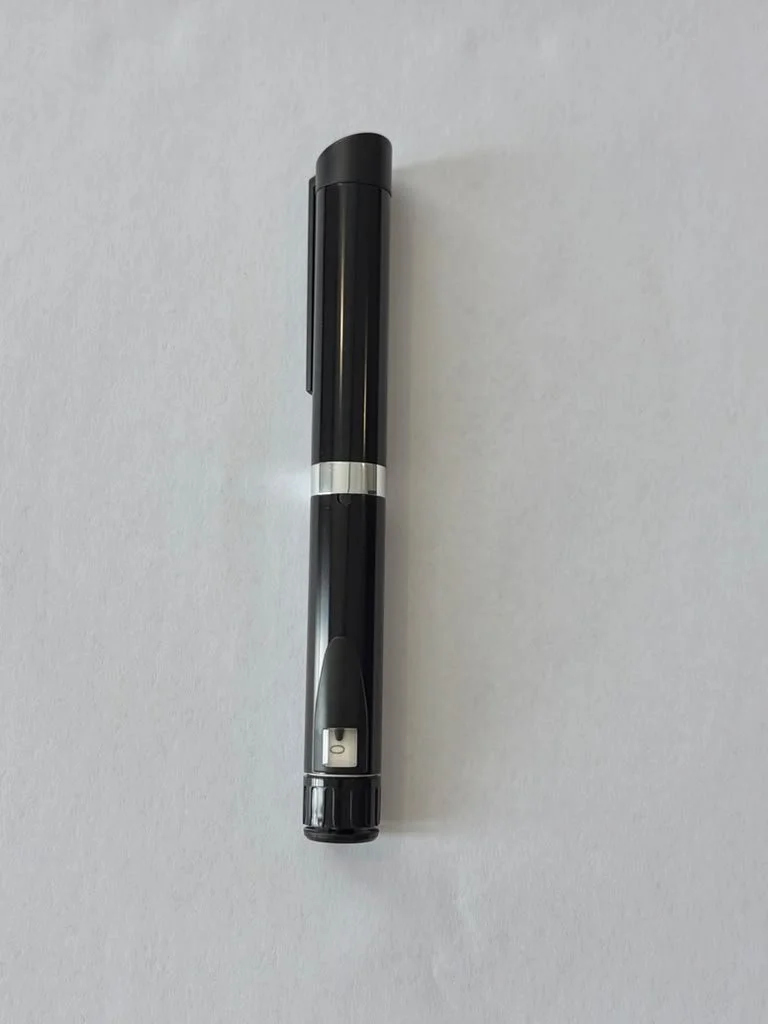
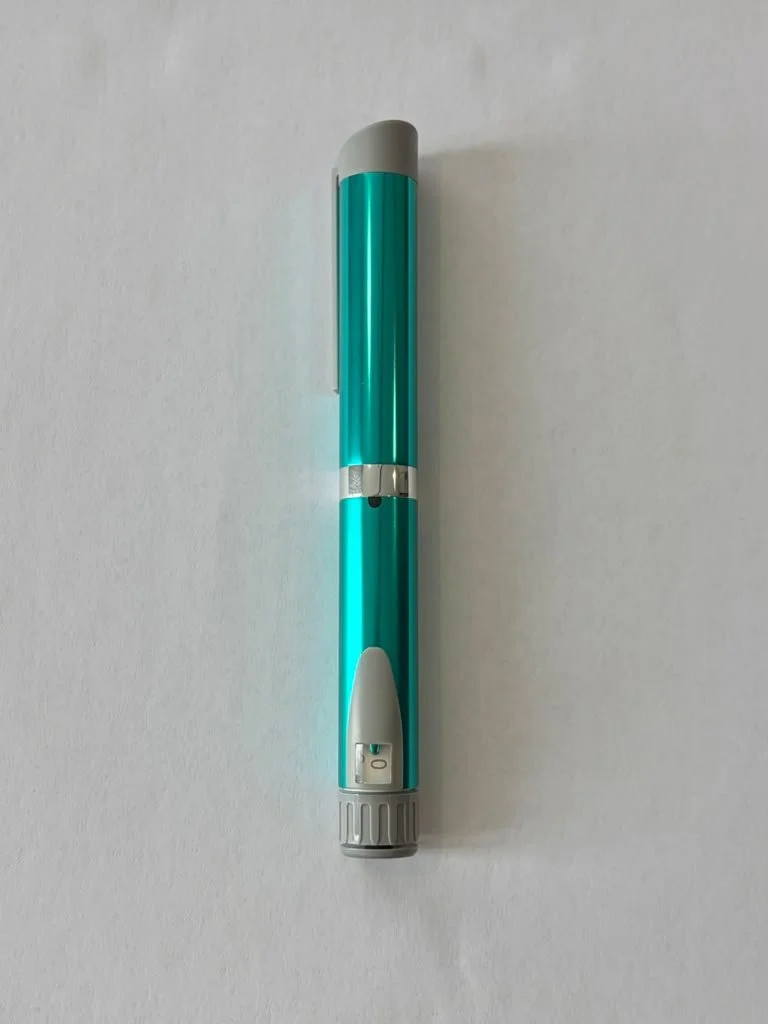
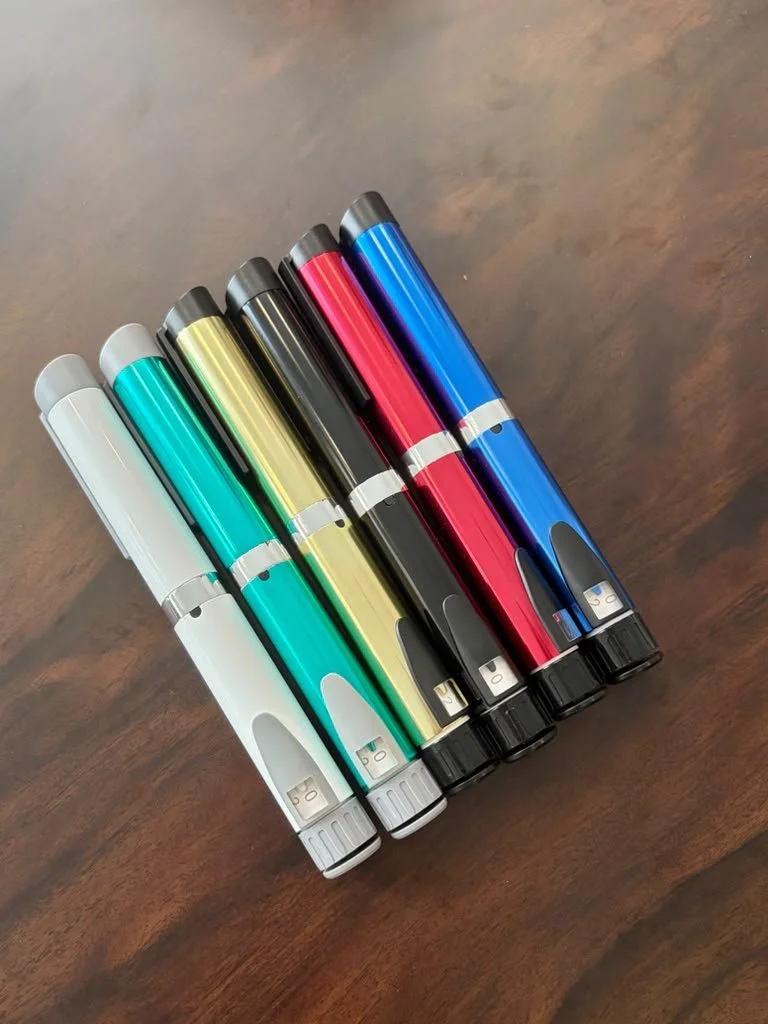
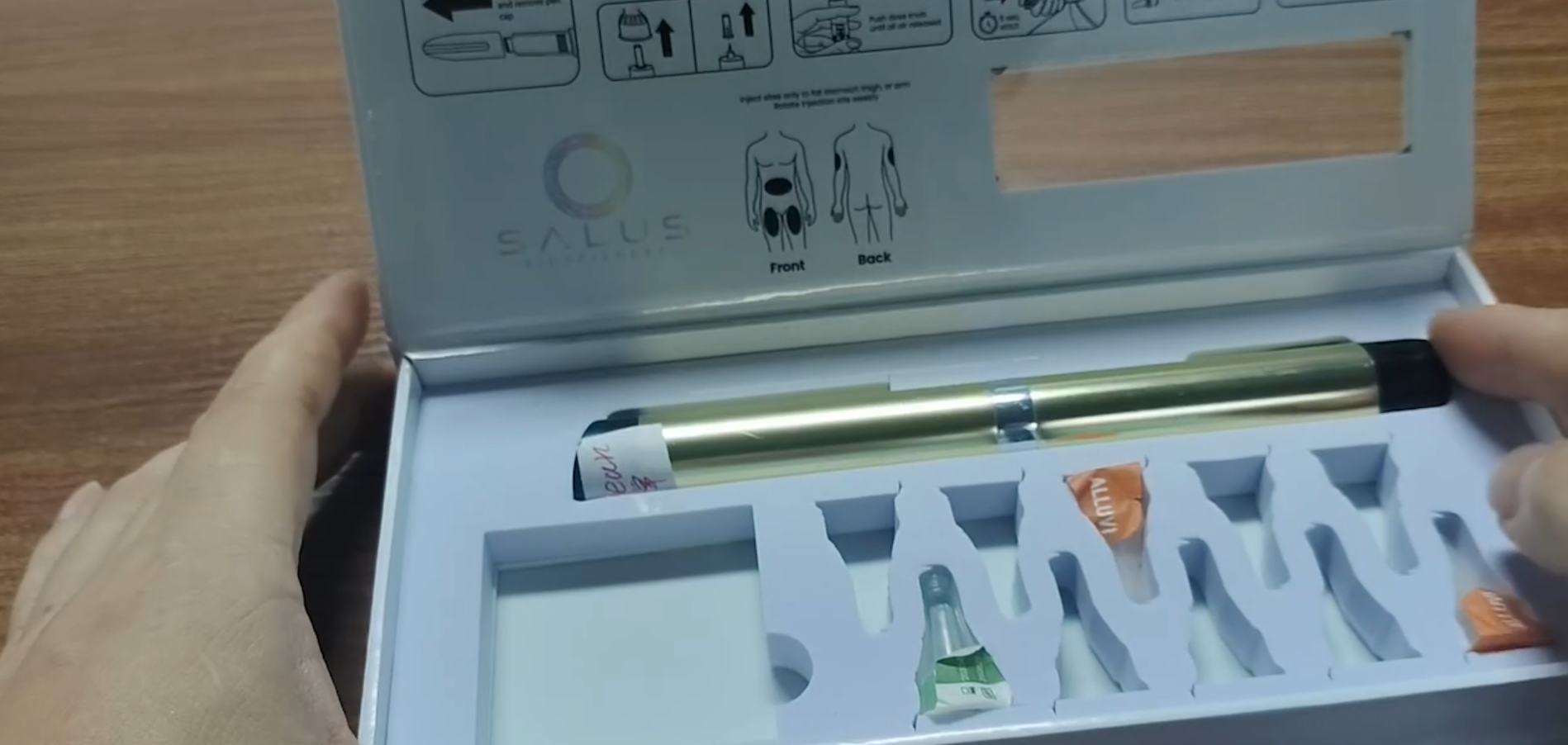
Give your Diabetic SALUSPen a fresh new look with the exclusive Primary Supply Color Edition.
Each Color Edition starts with a genuine SALUSPen and is professionally fitted with a custom-designed 3D printed sleeve, creating a unique finish that's only available from Primary Supply. Every sleeve is individually manufactured, fitted, and inspected before shipping to ensure a clean appearance and secure fit.
Whether you prefer a classic look or something more colorful, the Color Edition lets you personalize your SALUSPen while preserving its original design.
1 Genuine reusable SALUSPen
1 carrying box with pen 10 pen tips and 10 alcohol pads
• Black
• Blue
• Mint Green
• White
• Gold
• Copper
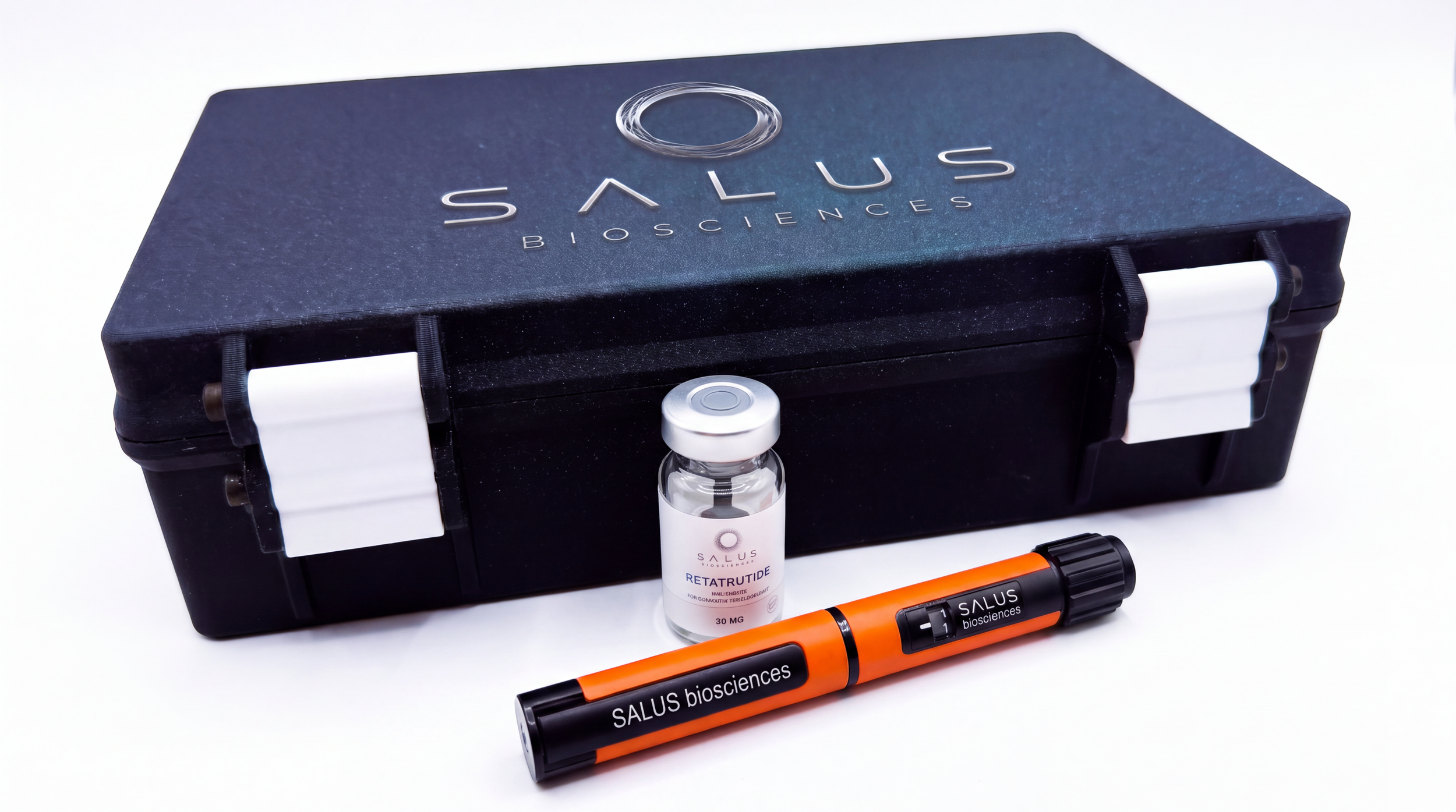
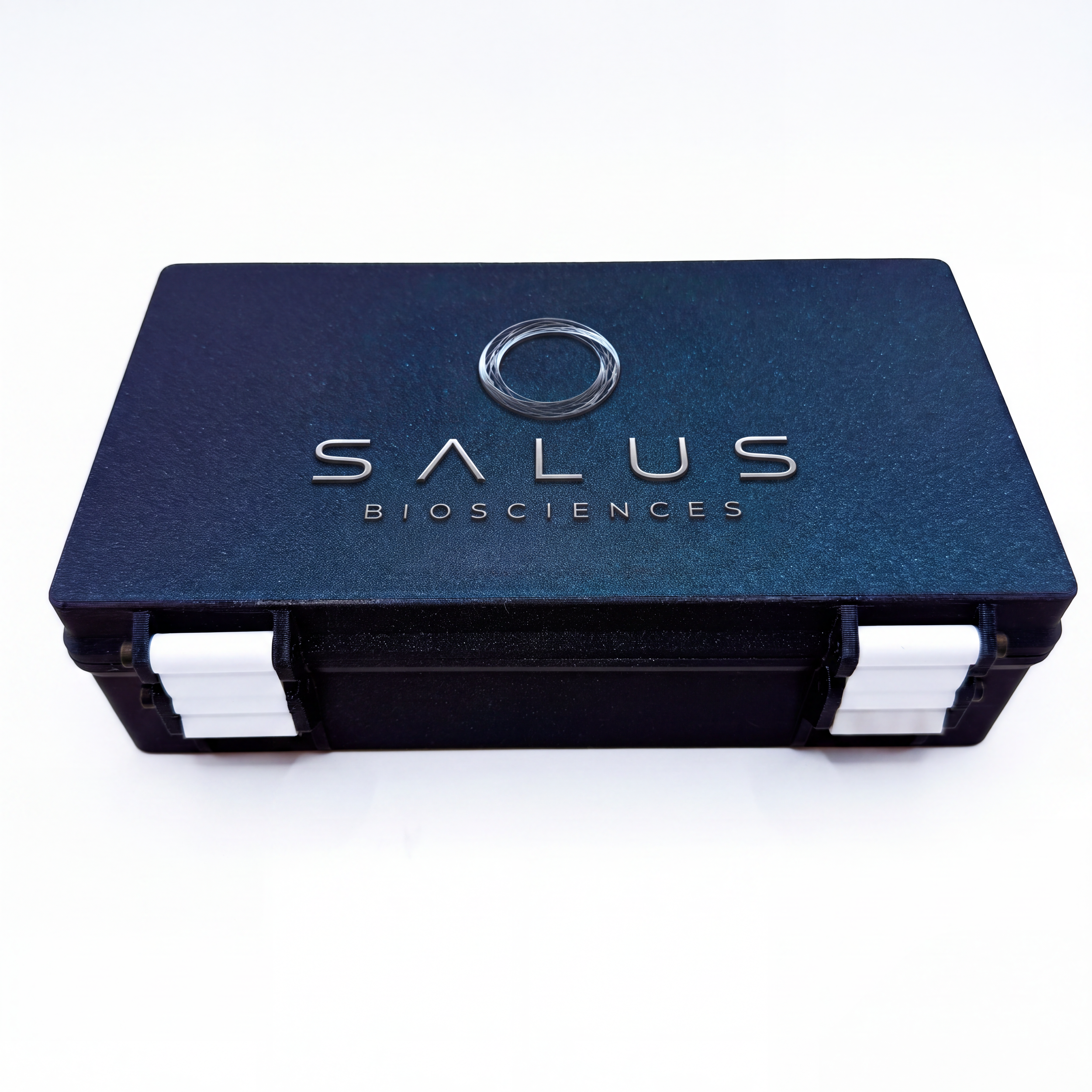
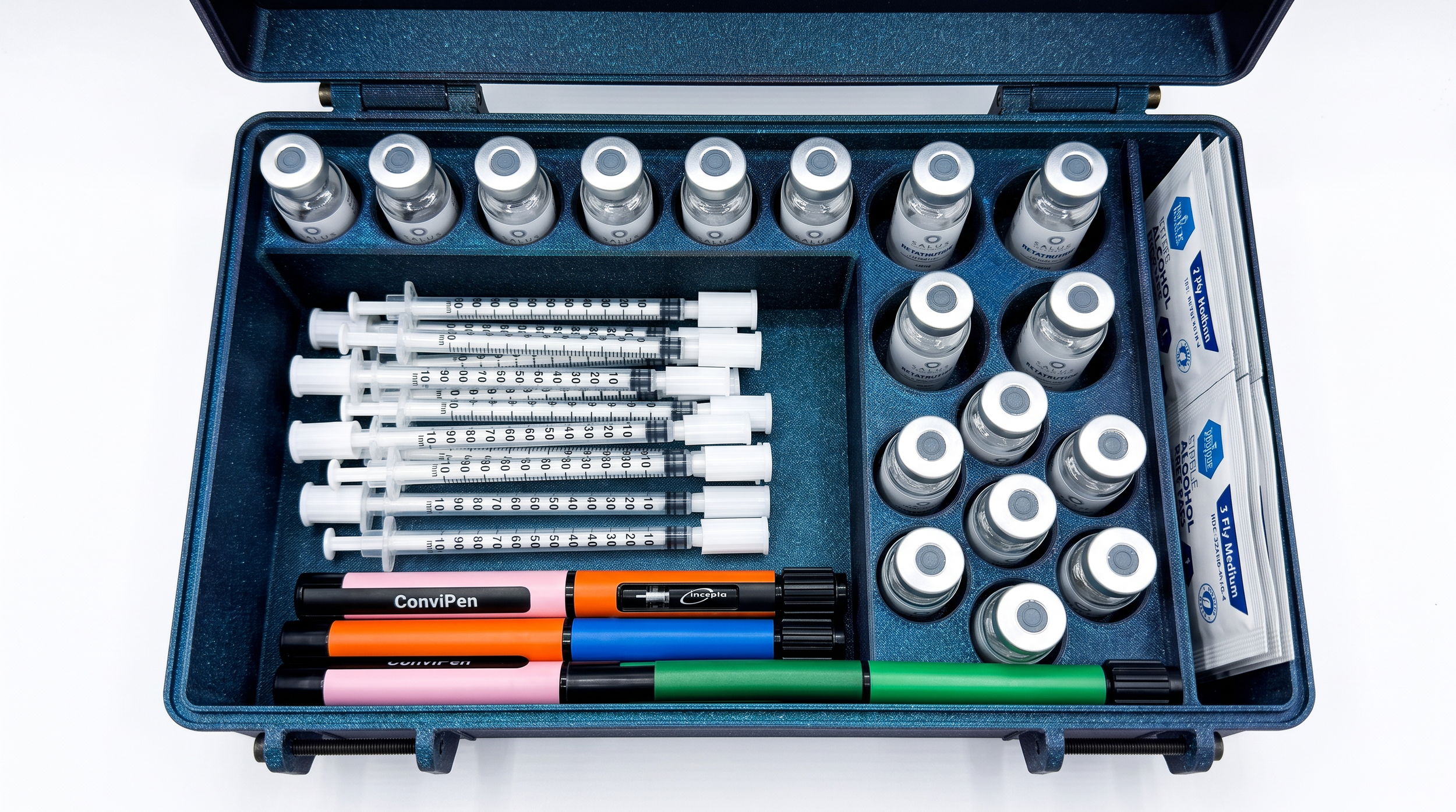
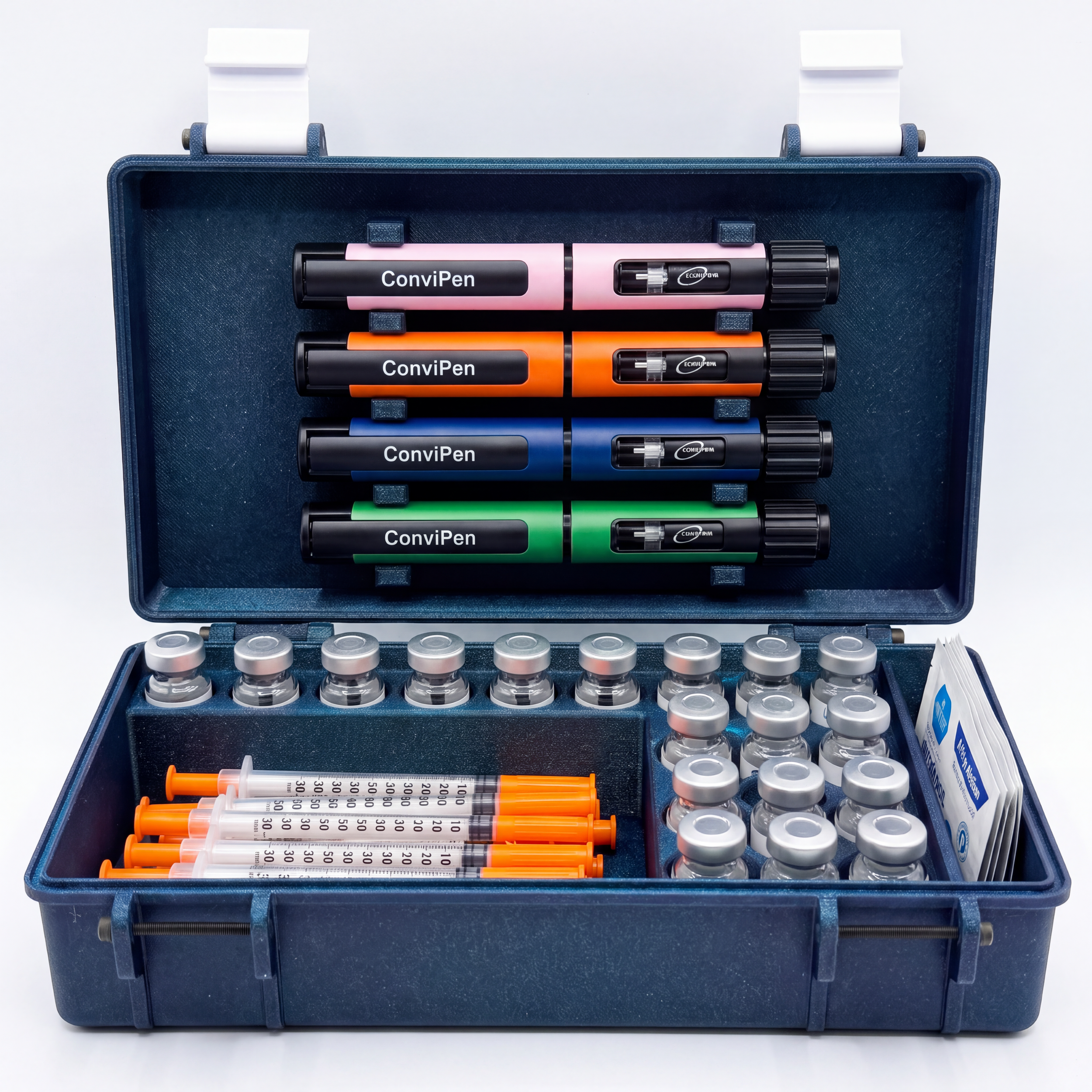
CAPACITY:
• Holds up to 13 x 3mL vials
• Plus 4 x 5mL or 10mL vials
• Plenty of space a ton of syringes, 30+
• A Specific compartment for Alcohol Swabs
• This case keeps everything secure, organized, and protected
Perfect for refrigerator storage with a durable 3D printed case with real screws for secure latches - perfect for daily use, travel, gym bag, or home storage.
If you run a serious Vial storage routine, this case gives you the extra space and peace of mind you need.
No results match your search. Try removing a few filters.
Access is restricted to individuals 21 years of age or older.